Fly Fishing vs. Light Tackle for Biscayne Bay Flats Fishing: Which Is Right for You?

When planning a flats fishing trip in Miami or Biscayne Bay, one of the first decisions you’ll need to make is whether to fish with a fly rod or light tackle. Both approaches can be incredibly effective, and both offer their own challenges and rewards. The right choice often comes down to your experience, personal preference, the species you’re targeting, and the conditions we encounter on the water.

As a fishing guide, I spend a lot of time targeting bonefish, permit, and tarpon throughout Biscayne Bay and the surrounding waters. I enjoy both fly fishing and light tackle, and I believe there is a place for each depending on the situation.

Some anglers arrive with years of fly fishing experience and want nothing more than to catch a bonefish on a fly. Others are interested in sight fishing but prefer the familiarity and versatility of spinning tackle. There are also anglers who want to try fly fishing for the first time but aren’t sure if they’re ready.

The good news is that you don’t have to choose one style for every situation. Understanding the differences can help you make the most of your trip.

What Is Flats Fishing?

Flats fishing involves targeting fish in relatively shallow water, often while looking for them visually. Instead of simply casting into an area and waiting for a bite, we’re frequently searching for individual fish or groups of fish moving through the water.

In Biscayne Bay, this can mean looking for bonefish cruising across a flat, permit moving along a shallow edge, or tarpon rolling or traveling near the surface.

Sight fishing is one of the most exciting parts of flats fishing. You may see the fish before making a cast, which gives you the opportunity to position the boat and present your bait or fly directly to it.

That sounds simple, but it can be challenging. Fish may be moving quickly, the water may be shallow and clear, and wind or sunlight can make visibility difficult. A good presentation often requires accuracy, timing, and the ability to react quickly.

Fly fishing and light tackle both allow us to sight fish, but they require different techniques and offer different advantages.

Fly Fishing the Miami Flats

Fly fishing is often considered the ultimate challenge in flats fishing. It requires a combination of casting ability, preparation, and patience, particularly when targeting bonefish and permit.The fly itself is generally lightweight, so the fly line provides the weight needed to cast. This makes fly fishing a different experience from conventional fishing, where the weight of the lure or bait helps load the rod.

When sight fishing with a fly rod, the angler needs to make an accurate presentation while minimizing unnecessary movement. A fish may only provide a short window of opportunity, and the cast needs to happen quickly.

The Challenge of Fly Fishing

Fly fishing on the flats can be demanding, especially when wind is involved. You need to be able to cast accurately, manage line on the deck, and deliver the fly without creating too much disturbance.

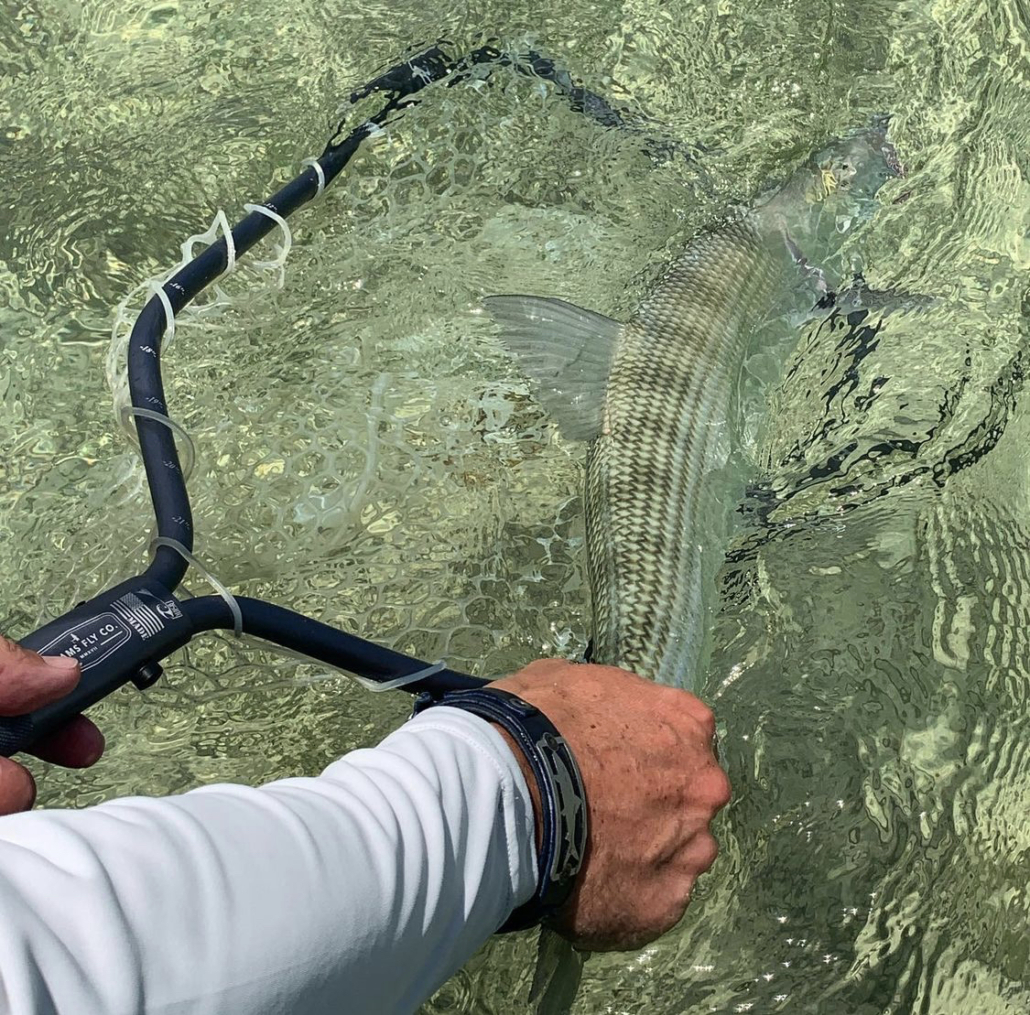
The challenge is part of what makes it so rewarding. Seeing a bonefish eat a fly or watching a tarpon take your presentation is an experience that is difficult to replicate with other methods.

However, fly fishing is not always the easiest option for someone who has never picked up a fly rod. Casting ability can have a significant impact on how many opportunities you’re able to take advantage of during a trip.

If you’re interested in fly fishing but have limited experience, I recommend practicing before your charter. Even a little preparation can make a meaningful difference.

Fly Fishing for Bonefish

Bonefish are one of the primary targets for fly anglers in Biscayne Bay. They are fast, cautious, and often found moving across shallow flats where sight fishing is possible.

The opportunity to spot a bonefish, make a presentation, and watch it eat is what makes this fishery so appealing.

For bonefish, I typically prefer an 8-weight or 9-weight fly rod, depending on the conditions. Wind is an important consideration in South Florida, and being proficient with your rod in breezy conditions is essential.

I use longer leaders than many anglers, and I hand-tie all of my leaders to ensure they turn over properly. I primarily use fluorocarbon leader material and prefer clear or clear-tip fly lines for bonefish.

Fly selection is also important. Biscayne Bay bonefish flies are often larger than patterns anglers might be familiar with from the Bahamas or Belize. We have larger bonefish in the area, and they often respond well to larger meals. Strong hooks are important when targeting these fish.

Fly Fishing for Permit

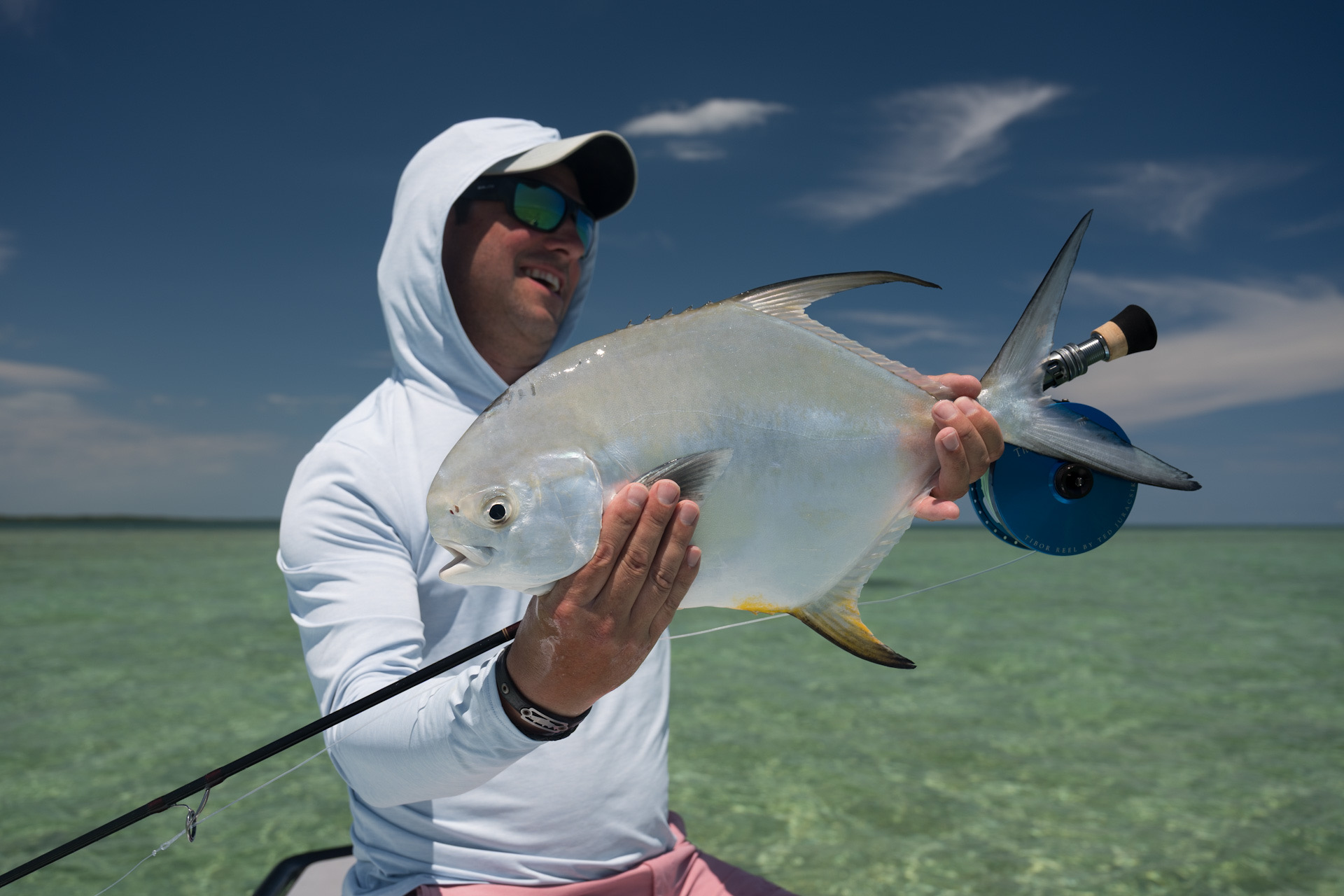
Permit are among the most challenging fish to target on a fly. They can be selective, difficult to approach, and unpredictable when it comes to eating. A permit may follow a fly, inspect it, and then refuse it at the last moment. That’s part of what makes catching one on a fly so rewarding.

For permit, I generally prefer a 9-weight or 10-weight fly rod, depending on the conditions. As with bonefish, I use longer, hand-tied leaders made primarily with fluorocarbon and clear or clear-tip fly lines.

Permit fishing requires patience and the ability to make accurate casts under pressure. Sometimes the fish gives you only one opportunity, so being prepared is critical.

Fly Fishing for Tarpon

Tarpon fly fishing is a different experience from targeting bonefish or permit. These fish are larger, powerful, and capable of making long runs and spectacular jumps.

I primarily use 10-weight and 11-weight fly rods for tarpon. I fish with Sage Fly Rods, and clients are welcome to use my equipment during their trip.

For reels, I use Tibor Fly Reels and have both left-hand and right-hand retrieve options available.

I tie my own leaders and flies, and I also work with talented professional fly tiers. Tarpon fishing requires equipment that can handle the fish while allowing us to make an effective presentation.

If you’re interested in fly fishing for tarpon, casting practice is especially important. When a fish is moving toward the boat or crossing in front of us, there may not be much time to get the fly in the right place.

Light Tackle Flats Fishing

Light tackle is an excellent option for Miami flats fishing, especially for anglers who want to experience sight fishing without the learning curve of fly casting.

Spinning tackle allows us to cast lightweight lures and natural baits with accuracy and distance. For many anglers, it’s a familiar and comfortable way to fish.

Light tackle can also be extremely effective when conditions make fly fishing difficult. Wind, fish movement, and the distance required for a presentation can all influence which approach makes the most sense.

Advantages of Light Tackle

One of the biggest advantages of light tackle is ease of use. Most anglers have some experience with spinning rods, and it’s generally easier to become proficient with them than with a fly rod.

Light tackle also allows us to make longer casts with relatively little preparation. When a fish appears unexpectedly, an angler can often make a quick presentation without worrying about managing fly line.

This can be especially helpful when fishing with someone who is new to flats fishing or when conditions are challenging.

Light tackle doesn’t mean the fishing is easy, though. Bonefish, permit, and tarpon can be extremely difficult to catch regardless of the equipment being used. Accurate casts, proper presentation, and understanding fish behavior remain important.

Light Tackle for Bonefish

Light tackle is a great way to target bonefish in Biscayne Bay. It allows anglers to make accurate presentations with small lures or baits while maintaining control during the fight.

Bonefish are incredibly fast, and once hooked, they can make long runs that test both the angler and the equipment.

The key is to make a presentation that doesn’t spook the fish. Even with spinning tackle, sight fishing requires patience and a careful approach.

Light Tackle for Permit

Permit are challenging on light tackle, just as they are on fly. These fish can be selective and often require a precise presentation.

Light tackle can provide an advantage when making longer casts or when conditions make it difficult to present a fly accurately. However, permit are still permit. They can be frustratingly selective, and success often comes down to timing and presentation.

Light Tackle for Tarpon

Light tackle is a popular way to target tarpon, particularly for anglers who want to experience the power of these fish without fly fishing.

Tarpon can be caught using a variety of presentations, depending on conditions and the type of fishing we’re doing. Their size and strength make them a serious challenge, and the equipment needs to be appropriate for the fish.

Once hooked, tarpon are famous for their jumps and powerful runs. Whether you’re using a fly rod or spinning tackle, fighting a tarpon is an experience you won’t forget.

Fly Fishing vs. Light Tackle: Which Is Better?

This is one of the most common questions I hear, and the answer is that neither method is universally better.

Fly fishing offers a unique challenge and a very rewarding experience. For anglers who enjoy the casting, presentation, and technical aspects of the sport, there’s nothing quite like catching a bonefish, permit, or tarpon on a fly.

Light tackle offers versatility and accessibility. It’s often the better choice for anglers who are new to flats fishing, want to maximize casting opportunities, or simply prefer conventional tackle.

The best approach depends on several factors.

Your experience: If you’re an experienced fly angler, fly fishing may be the obvious choice. If you’re new to fly casting, light tackle may provide more opportunities to make effective presentations.

The conditions: Wind can make fly fishing more difficult. Depending on the direction and strength of the wind, light tackle may be a better option for certain situations.

The species: Bonefish, permit, and tarpon can all be targeted with either method. The best approach depends on the conditions and how the fish are behaving.

Your personal goals: Some anglers want the challenge of catching a fish on a fly. Others simply want to enjoy the experience of sight fishing and catching a fish. Neither goal is wrong.

Ultimately, I want clients to have the best experience possible. Choosing the right equipment for the conditions and your skill level is an important part of that.

Can You Bring Both Fly and Light Tackle?

Absolutely. In many situations, having both options available can be beneficial.

There may be opportunities to fly fish during part of the day and switch to light tackle when conditions change or when a different presentation makes more sense.

This flexibility can be especially useful when targeting multiple species. Bonefish, permit, and tarpon don’t always behave the same way, and conditions can change throughout the day.

If you’re unsure which method to bring, we can discuss your experience and preferences before the trip. I can help you determine what equipment makes the most sense for the type of fishing you want to experience.

What Should You Choose for Your Flats Fishing Charter?

If you’re an experienced fly angler and want to challenge yourself with bonefish, permit, or tarpon, fly fishing is an excellent choice.

If you’re new to flats fishing, prefer spinning tackle, or want to focus on making as many effective presentations as possible, light tackle may be the better fit.

If you’re comfortable with both, bringing both options gives us flexibility.

There is no reason to feel pressured to fish with a fly rod simply because you’re booking a flats fishing charter. The goal is to enjoy your time on the water, learn something new, and have an opportunity to catch the fish you’re targeting.

I guide anglers with a wide range of experience, and I’m happy to work with you to determine the best approach for your trip.

Book a Biscayne Bay Flats Fishing Charter

Miami and Biscayne Bay offer some outstanding opportunities for flats fishing. Whether you’re targeting bonefish, permit, or tarpon, the combination of shallow water, sight fishing, and challenging gamefish makes this area a special place to fish.

Fly fishing and light tackle both have their place in this fishery. The best choice depends on your experience, preferences, and the conditions we encounter.

If you’re planning a trip, I’m happy to discuss the type of fishing you want to do and help you prepare.

Visit Endless Flat Charters to learn more about fishing with Capt. Chris Adams, or check the charter rates and trip information.

You can also learn more about my Miami flats fishing trips.

Whether you choose fly fishing, light tackle, or a combination of both, the goal is the same: get out on the water, find fish, and make the most of every opportunity.

Tarpon Fishing in the Upper Florida Keys: Spring Migration Guide

Tarpon Fishing in the Upper Florida Keys: A Spring Migration Guide

There are few fishing experiences in South Florida that compare to targeting tarpon during their spring migration. Watching a large tarpon roll on the surface, making a presentation to a moving fish, and finally hooking a powerful Silver King is what keeps anglers coming back year after year.

While I spend much of my time fishing Biscayne Bay and Miami, I also make regular trips to the Upper Florida Keys during tarpon season. April, May, and June are the months I primarily fish this area, following the annual migration and targeting tarpon throughout the waters from Key Largo to Islamorada.

The Upper Florida Keys offer a different experience from fishing in Miami. The surrounding flats, channels, islands, and open water provide a variety of environments for targeting migrating tarpon. I fish throughout this region, including areas around Key Largo, Ocean Reef, Tavernier, and Islamorada. Rather than focusing on one specific location, I adjust our fishing plans based on conditions, fish movement, tides, and weather.

For anglers looking to experience tarpon season in the Florida Keys, spring is one of the most exciting times of the year to be on the water. If you’re interested in targeting tarpon closer to Miami, check out my guide to tarpon fishing in Miami and Biscayne Bay.

Spring Tarpon Season in the Upper Florida Keys

My primary tarpon season in the Upper Florida Keys runs from April through June. During these months, migrating tarpon move through the region, creating opportunities to target fish in a variety of environments.

Tarpon fishing is never completely predictable. Fish movement, weather, water conditions, tides, and fishing pressure can all influence how a day unfolds. Some days may involve searching for moving fish, while others may offer opportunities to target tarpon in more specific areas.

The annual migration is one of the reasons this time of year is so popular. Anglers travel from across the country and around the world to experience tarpon fishing in the Florida Keys, and the spring season is an important part of that tradition.

Because these dates are in high demand, April, May, and June book up quickly. If you’re planning a tarpon trip in the Upper Florida Keys, I recommend reaching out well in advance rather than waiting until the migration is already underway.

Fishing the Upper Florida Keys

The Upper Florida Keys provide an extensive area to explore during the spring tarpon migration. My trips cover the waters from Key Largo down through Islamorada, including areas around Ocean Reef and Tavernier.

The fishery offers a variety of environments, and tarpon may be encountered moving through channels, cruising along shallow edges, or traveling through areas where changing tides influence their movement. Conditions can vary considerably from one day to the next, so flexibility is an important part of fishing this region.

Wind, tide, water clarity, and fish activity all help determine where we spend our time. I’m constantly evaluating the conditions and looking for opportunities to intercept fish. Sometimes that means moving to another area, while other days may involve staying with a group of fish and waiting for the right opportunity.

The ability to fish across this stretch of the Upper Keys is valuable during tarpon season. Instead of relying on one specific location, we can adapt to the conditions and focus on finding fish.

Sight Fishing for Tarpon

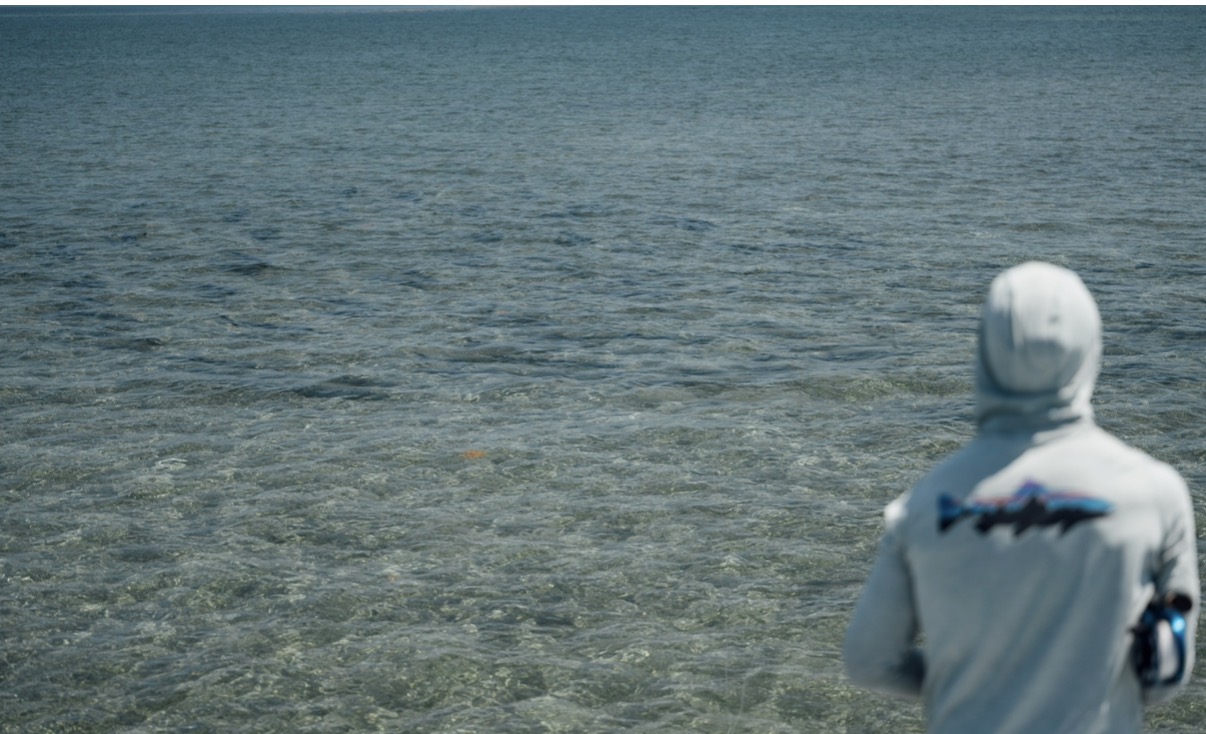
One of the most exciting ways to target tarpon is through sight fishing. Rather than simply fishing an area and hoping for a bite, sight fishing allows us to look for individual fish or groups of fish and make a presentation directly to them.

This can involve watching for rolling tarpon, tracking fish moving through the water, or identifying fish cruising near the surface.

Sight fishing requires a combination of observation, positioning, and timing. The angler needs to be ready when the opportunity presents itself, and the cast often needs to happen quickly.

Tarpon can be unpredictable. A fish may change direction, disappear, or move away before the angler gets a chance to present the fly or bait. Even when everything comes together, getting a tarpon to eat is only the beginning.

That challenge is a big part of the appeal.

Fly Fishing for Upper Florida Keys Tarpon

Fly fishing for tarpon is one of the most demanding and rewarding forms of saltwater fly fishing. The fish are powerful, the presentations can be difficult, and there is very little room for error when a large tarpon finally eats.

For anglers who want to pursue tarpon on the fly, preparation is important. You need to be comfortable casting a heavier fly rod, managing line, and making accurate presentations under pressure.

A tarpon may give you only a brief opportunity to make a cast. Being able to deliver the fly quickly and accurately can make the difference between getting an opportunity and watching the fish swim away.

Tarpon Fly Rods

For tarpon, I primarily use 10-weight and 11-weight fly rods, depending on the conditions and the fish we’re targeting.

I use Sage Fly Rods for my tarpon fishing, and clients are welcome to use my equipment during their trip. Having the right rod helps make the presentation more manageable while providing the power needed to fight a large fish.

If you’re bringing your own equipment, make sure it is suitable for large saltwater tarpon. This is not a situation where you want to arrive with a rod that is underpowered for the fish we’re targeting.

Fly Reels

A reliable fly reel is essential when targeting tarpon. These fish can make long, powerful runs, and the reel needs to have a smooth drag system and enough backing to handle the fight.

I use Tibor Fly Reels for my tarpon fishing. I have both left-hand and right-hand retrieve reels available, so clients can use a setup that feels comfortable to them.

A properly configured reel is a critical part of the system. The rod, reel, backing, fly line, and leader all need to work together.

Fly Lines and Leaders

Tarpon fly fishing requires equipment that can handle the conditions and deliver the fly properly. The fly line and leader need to match the rod, fly, and presentation.

I tie all of my own leaders, allowing me to prepare setups specifically for the conditions and fishing situations I encounter.

Leader construction is especially important when targeting large tarpon. You need a system that can withstand the fight while still allowing the fly to be presented effectively.

Tarpon Flies

Fly selection depends on the conditions, the fish, and the type of presentation we’re making. Size, color, profile, and how the fly moves through the water can all influence whether a tarpon responds.

I tie many of my own flies and also work with talented professional tiers. Having confidence in the flies you fish is important, especially when opportunities can be limited.

The goal is to present a fly that looks natural and gives the tarpon a reason to eat.

Light Tackle Tarpon Fishing

Fly fishing isn’t the only way to target tarpon in the Upper Florida Keys. Light tackle can also provide an exciting opportunity to catch these powerful fish.

Light tackle fishing allows anglers to focus on presentation and accuracy while using spinning or conventional equipment suited to the conditions. It can be a great option for anglers who aren’t experienced fly casters or who simply prefer fishing with conventional tackle.

The best approach depends on the angler, conditions, and fish activity. I want clients to have an enjoyable experience while giving them the best opportunity to connect with a tarpon.

Whether you prefer fly fishing or light tackle, the objective remains the same: locate the fish, make a good presentation, and be ready when the opportunity comes.

What Makes Tarpon Fishing Challenging?

Tarpon are famous for their power, but their reputation goes well beyond their size.

They can be difficult to locate, selective about what they eat, and unpredictable once hooked. A fish may follow a fly without eating, turn away at the last moment, or disappear before you have a chance to make a presentation.

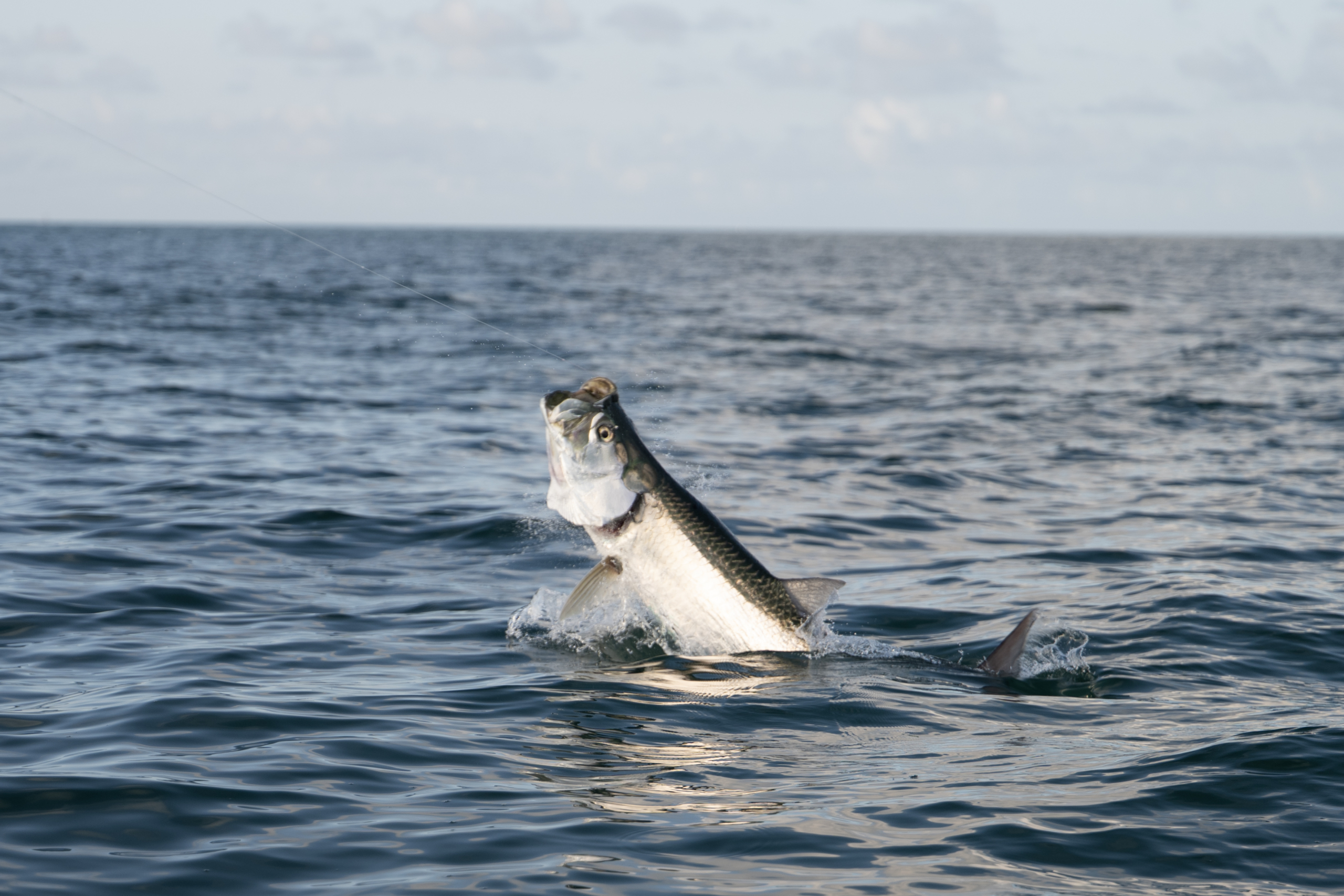
The initial hookup is often only the beginning. Tarpon are known for their explosive jumps, powerful runs, and ability to test an angler’s equipment and technique.

Successful tarpon fishing requires patience and preparation. You need to be ready to cast when the opportunity appears, keep your composure when the fish eats, and react properly once it’s hooked.

There is no guarantee of catching a tarpon, even during the peak migration. That uncertainty is part of what makes every successful hookup memorable.

Weather, Tides, and Conditions

Spring tarpon fishing is influenced by several factors, including weather, tides, wind, water clarity, and fish movement.

Wind can make sight fishing more difficult by affecting visibility and boat positioning. Tides influence water movement and can affect where tarpon travel or hold. Changing conditions may also mean moving between different areas throughout the day.

I evaluate these factors before and during each trip to determine where we should fish. The plan may change as conditions develop, and flexibility is important.

Fishing a broad area of the Upper Florida Keys gives us different locations to consider rather than tying the day to one specific spot.

Is an Upper Florida Keys Tarpon Trip Right for You?

Tarpon fishing is a great option for anglers who enjoy challenging fishing and are looking for an unforgettable saltwater experience.

You don’t need to be an expert fly fisherman to book a trip. However, if you’re interested in fly fishing for tarpon, some casting experience is helpful. Practicing before your trip can make a big difference when the opportunity to cast at a fish arrives.

For anglers who prefer light tackle, there are other ways to approach the fishery. We can discuss your experience and preferences before the trip and determine the best approach.

Whether you’re an experienced tarpon angler or looking to pursue your first Silver King, preparation and realistic expectations are important.

Book Your Upper Florida Keys Tarpon Fishing Trip

Spring tarpon fishing in the Upper Florida Keys is one of my favorite fisheries to experience. From Key Largo through Islamorada, these waters offer exciting opportunities to target migrating tarpon during one of the most anticipated times of the year.

I primarily fish the Upper Florida Keys during the annual tarpon migration in April, May, and June. These dates are popular, and my tarpon season calendar fills up quickly.

If you’re interested in fishing the Upper Florida Keys during tarpon season, I recommend contacting me early to discuss available dates and plan your trip.

Visit Endless Flat Charters to learn more about fishing with Capt. Chris Adams, or check the charter rates and trip information.

You can also learn more about my Miami flats fishing trips if you’re interested in exploring the Biscayne Bay fishery.

The spring tarpon migration doesn’t last forever. If April, May, or June is on your fishing calendar, don’t wait too long to reserve your dates.


Tarpon Fishing in Miami and Biscayne Bay: When, Where, and How to Target the Silver King

Tarpon Fishing in Miami

Few experiences in saltwater fishing compare to hooking a tarpon on a fly. The explosive take, powerful run, and spectacular jumps make tarpon one of the most exciting gamefish in Florida. Known as the Silver King, tarpon are strong, unpredictable, and capable of testing even experienced anglers.

Miami and Biscayne Bay offer opportunities to target tarpon in a variety of shallow-water and nearshore environments. From rolling fish in deeper channels to tarpon moving through shallow areas, the fishery provides exciting opportunities for anglers who enjoy sight fishing with fly or light tackle.

As a guide with Endless Flat Charters, I enjoy the challenge of finding tarpon and putting anglers in position to make a good presentation. Tarpon fishing requires preparation, patience, and quick reactions. You may spend time searching for fish before an opportunity develops, but when everything comes together, the experience is unforgettable.

Whether you’re an experienced saltwater fly angler or planning your first tarpon trip, Biscayne Bay offers an opportunity to pursue one of Florida’s most iconic gamefish.

While Biscayne Bay offers excellent opportunities to target tarpon around Miami, I also fish the Upper Florida Keys during the annual spring migration. April, May, and June are my primary months in the Keys, where I fish from Key Largo to Islamorada, including areas around Ocean Reef and Tavernier. If you’re planning a spring tarpon trip farther south, read my guide to tarpon fishing in the Upper Florida Keys.

Why Biscayne Bay Is a Great Tarpon Fishing Destination

Biscayne Bay is a diverse fishery with shallow flats, deeper channels, mangrove shorelines, and areas that connect to the surrounding waters of South Florida.

Tarpon use different habitats throughout the year. They may move through channels, roll in deeper water, cruise along shorelines, or appear in shallow areas where anglers can target them with carefully placed flies or lures.

One of the most exciting aspects of tarpon fishing is spotting fish before making a presentation. Seeing a tarpon roll or travel through an area gives you an opportunity to position the boat and prepare for a cast.

However, tarpon aren’t always easy to approach. They can be sensitive to boat position, noise, and poor presentations. The ability to recognize fish behavior and adjust to changing conditions can make a significant difference.

For more information about the shallow-water fishery, visit the Miami Flats Fishing page at Endless Flat Charters.

Understanding Tarpon Behavior

Tarpon are powerful predators that feed on a variety of fish and crustaceans. Their behavior can vary depending on water temperature, current, season, and location.

Sometimes tarpon travel in groups, rolling or moving along channels. Other times, individual fish may be encountered in shallow water or around structure.

When looking for tarpon, I pay attention to several clues:

  • Rolling fish and surface disturbances
  • Fish moving along channels or shorelines
  • Changes in water color and current
  • Baitfish activity
  • Fish traveling in groups or singles
  • Areas where deeper water transitions into shallower habitat

Rolling tarpon are one of the most recognizable signs that fish are present. However, seeing a fish roll doesn’t necessarily mean it’s ready to eat. Tarpon can be moving, feeding, or simply traveling through an area.

Understanding what the fish are doing is just as important as finding them.

Sight Fishing for Tarpon

Sight fishing for tarpon is one of the most exciting forms of saltwater fishing. The opportunity to see a large fish before making a cast adds a level of anticipation that’s difficult to match.

Once a tarpon is spotted, the angler needs to quickly determine its direction and speed. The fly or lure must be presented in a way that gives the fish an opportunity to find it without being startled.

Casting directly at a tarpon can often be counterproductive. The goal is generally to place the fly or lure ahead of the fish and allow it to move naturally into the presentation.

The timing of the cast is important. Too early, and the fish may never encounter the fly. Too late, and the opportunity may be gone.

Tarpon fishing can be demanding, particularly when the fish are moving quickly or conditions make casting difficult. Accurate presentations, quick reactions, and communication between the angler and guide are essential.

Even when a fish doesn’t eat, the opportunity to watch a large tarpon approach a fly or lure in shallow water is an experience worth remembering.

Fly Fishing for Tarpon in Miami

Tarpon are a favorite target for saltwater fly anglers because they combine size, strength, and spectacular fighting ability.

Fly fishing for tarpon requires appropriate tackle, accurate casting, and the ability to make a presentation quickly. When a fish appears, there may be very little time to prepare.

The goal isn’t necessarily to make the longest cast. It’s to make a controlled, accurate cast that puts the fly where the fish can see it.

Tarpon Fly Rods

For tarpon fishing, I use 10-weight and 11-weight Sage fly rods.

These rods provide the power needed to cast larger flies, handle wind, and fight powerful fish. A 10-weight is a versatile option for many tarpon situations, while an 11-weight provides additional strength when targeting larger fish or dealing with more demanding conditions.

Tarpon fishing can involve quick casts, heavy flies, and challenging wind. Having a rod that can handle those demands is important.

I use Sage Fly Rods for my tarpon fishing, and clients are welcome to use my equipment during their charter. You don’t need to invest in a dedicated tarpon setup before your trip if you don’t already own one.

Tarpon Fly Reels

For fly reels, I use Tibor Fly Reels.

A dependable reel is essential when targeting tarpon. These fish are capable of making long, powerful runs, and the reel needs to provide reliable drag performance throughout the fight.

I have both left-hand and right-hand retrieve reels, so anglers can use the retrieve direction that feels most comfortable and natural.

Having the right reel setup is important, especially when a tarpon takes off after the hook-up. You want to focus on fighting the fish rather than adjusting to unfamiliar equipment.

Tarpon Fly Lines

Fly line selection depends on the rod, fly size, wind, and fishing conditions. I mainly use full-clear or clear-tip fly lines when fishing for tarpon. The line needs to support accurate casting and provide the control required to present a fly to moving fish.

When targeting tarpon, the ability to make a quick, accurate cast is often more important than distance alone. A properly matched line and rod make it easier to deliver the fly efficiently when an opportunity develops.

As with any saltwater fly fishing setup, equipment should be selected based on the conditions and the fish we’re targeting.

Tarpon Leaders

I tie all of my own tarpon leaders.

Leader construction is an important part of a successful tarpon setup. The leader needs to turn over properly, provide the necessary strength, and perform consistently when making presentations to large fish.

I build my leaders to suit the conditions, fly size, and type of tarpon fishing we’re doing. A leader that performs well allows the angler to focus on casting and presenting the fly rather than worrying about whether the setup will work properly.

Tarpon leaders need to balance casting performance, strength, and presentation. There isn’t one leader formula that works for every situation, so having the ability to adjust the setup is important.

Tarpon Flies

Tarpon flies are designed to imitate baitfish, shrimp, and other prey. Fly selection depends on the size of the fish, water clarity, depth, current, and how the tarpon are behaving.

I tie many of my own tarpon flies, and I also have flies tied by talented professional tiers whose work I trust.

Having the right selection of patterns and sizes is important. Some situations call for a larger baitfish profile, while others require a more subtle presentation. Fly weight and construction also influence how the fly moves through the water.

The best fly is one that matches the conditions and can be presented naturally to the fish. Having a variety of patterns available allows us to adapt when the tarpon show a preference for something different.

Light Tackle Tarpon Fishing

Tarpon can also be targeted with spinning tackle, which is a great option for anglers who prefer conventional equipment or want to focus on sight fishing without the challenges of fly casting.

Light tackle allows anglers to make accurate presentations with artificial lures and other offerings. Depending on the conditions and fish behavior, small baitfish imitations, soft plastics, and other lures can be effective.

As with fly fishing, presentation is critical. A lure landing too close to a tarpon can spook the fish, while a poor angle may make it difficult for the fish to see the offering.

The angler needs to anticipate where the tarpon is moving and place the lure where it can be intercepted.

Tarpon fishing with spinning tackle still requires patience, accurate casting, and an understanding of fish behavior. The equipment may be different, but the challenge of getting a tarpon to eat remains the same.

When Is the Best Time to Fish for Tarpon in Miami?

Tarpon fishing in South Florida can be seasonal, with spring offering particularly exciting opportunities as fish move through the region.

The spring migration can bring tarpon into Biscayne Bay and surrounding waters, creating opportunities to target fish moving through channels and other areas. The timing and intensity of these movements can vary from year to year based on water temperature, weather, and other environmental conditions.

Tarpon may also be encountered outside the traditional migration period. Their location and behavior depend on seasonal movements, local conditions, and available food.

Rather than relying entirely on a calendar, I look at current conditions and fish behavior when planning a trip. If tarpon are your primary target, it’s worth discussing your timing and expectations with your guide before booking.

Weather, Wind, and Water Conditions

Tarpon fishing can be heavily influenced by wind, sunlight, water clarity, and current.

Wind affects casting, boat positioning, and the ability to see fish. Strong winds can make accurate fly casting difficult, particularly when large flies are involved.

Sunlight and water clarity are equally important for sight fishing. Polarized sunglasses help reduce glare and make it easier to identify rolling fish, shadows, and movement beneath the surface.

Current can influence how tarpon travel and where they position themselves. Understanding how fish respond to changing water conditions helps determine where and how we fish.

Flexibility is important. Sometimes the best approach is to change locations, adjust the presentation, or target fish in a different type of habitat.

What to Expect on a Guided Tarpon Fishing Trip

Tarpon fishing can be exciting, but it isn’t always fast-paced. Some days involve searching for fish, waiting for opportunities, and making a handful of carefully timed presentations.

The goal is to maximize the opportunities we encounter while adapting to the conditions.

When fishing with Endless Flat Charters, I work with anglers to improve casting, understand fish behavior, and prepare for the opportunities that develop.

Experienced anglers may want to focus on technical fly presentations and specific tarpon opportunities. Anglers who are newer to saltwater fly fishing can work on casting and learn how to approach moving fish.

Tarpon are powerful, unpredictable fish, and catching one is never guaranteed. The experience of pursuing them in South Florida, however, is something special.

What Should You Bring?

For a tarpon fishing trip in Miami, I recommend bringing polarized sunglasses, a hat, lightweight clothing, sun protection, and any personal snacks or beverages you prefer.

Polarized sunglasses are essential for sight fishing. They reduce glare and help you spot fish and changes in the water.

You’re welcome to use my Sage fly rods and Tibor reels during your charter. I provide fishing equipment, so you don’t need to purchase a dedicated tarpon setup before your trip.

If you have your own fly rod or spinning outfit you’d like to use, let me know ahead of time. Florida’s sun can be intense, so lightweight, breathable clothing and proper sun protection will help make your day more comfortable.

Responsible Tarpon Fishing

Tarpon are an important gamefish in Florida and are managed under specific regulations. Responsible handling and release practices help protect these fish and preserve opportunities for future anglers.

When releasing tarpon, minimizing handling time and avoiding unnecessary stress are important. Keep the fish in the water as much as possible, especially when dealing with larger fish, and follow current Florida regulations.

For the latest rules and guidance, consult the Florida Fish and Wildlife Conservation Commission.

Fish Miami with Endless Flat Charters

Tarpon fishing is one of the most exciting experiences available to anglers visiting Miami. The power of the fish, the challenge of making a presentation, and the anticipation of a take make every opportunity memorable.

For me, the excitement comes from the entire process. Finding tarpon, positioning the boat, making the cast, and watching a fish respond is what keeps me coming back to the water.

At Endless Flat Charters, I specialize in fly fishing and light tackle for bonefish, permit, and tarpon in Biscayne Bay and the Upper Florida Keys. Whether you’re an experienced angler looking for your next challenge or someone who wants to experience flats fishing for the first time, I’d be happy to help you plan a trip.

Ready to target tarpon in Miami? Visit Endless Flat Charters to learn more about guided fishing trips with Capt. Chris Adams.

You can also explore the Miami Flats Fishing page for more information about the fishery, charter options, and planning your day on the water.


Permit Fishing in Biscayne Bay: Tips for Targeting One of Florida’s Most Challenging Gamefish

Permit Fishing in Biscayne Bay

Few fish can challenge an angler quite like permit. They’re powerful, wary, and often frustratingly difficult to convince to eat. You can make what looks like a perfect cast, present the fly exactly where you want it, and watch a permit turn away without giving it another look. That’s part of what makes catching one on the flats so rewarding.

Biscayne Bay is one of South Florida’s premier destinations for targeting permit. Its shallow flats, channels, sandy areas, and surrounding habitat provide opportunities to pursue these fish with fly and light tackle. For anglers who enjoy sight fishing, the chance to spot a permit, make a presentation, and watch the fish respond is hard to beat.

As a guide with Endless Flat Charters, permit fishing is one of the challenges I enjoy most. It requires patience, attention to detail, and the ability to adapt to changing conditions. Every fish presents a different opportunity, and there’s no guarantee that a permit will cooperate just because you’ve done everything right.

Whether you’re an experienced saltwater fly angler or planning your first permit-focused trip, Biscayne Bay offers an exciting opportunity to pursue one of Florida’s most respected gamefish.

Why Biscayne Bay Is a Permit Fishing Destination

Biscayne Bay offers a unique combination of shallow-water habitat and access to deeper channels and surrounding areas. Permit use a variety of these environments as they move, feed, and respond to changing conditions.

You may encounter permit cruising across a flat, moving along a channel edge, or feeding in areas with sandy or hard bottom. Their location can change with tides, weather, water temperature, and food availability.

One of the biggest challenges is finding them. Permit can be surprisingly difficult to spot, even in relatively clear water. Their dark bodies may stand out against a light bottom, but their movement can be subtle. Sometimes you see a fish clearly. Other times, you catch a glimpse of a shape or shadow and have to decide whether it’s worth making a move.

Understanding the fishery is important, but so is being able to recognize the conditions that create an opportunity. A good permit day often involves careful observation, moving efficiently, and being ready when a fish appears.

For a broader look at the shallow-water fishery, visit the Miami Flats Fishing page at Endless Flat Charters.

Understanding Permit Behavior

Permit are members of the jack family and are known for their strength, speed, and ability to make long runs. They feed on crabs, shrimp, and other crustaceans, making presentation and fly selection important when targeting them.

Permit may be found traveling alone, in pairs, or in groups. Their behavior can vary considerably depending on what they’re doing. A fish that is actively feeding may be more approachable than one that is simply moving through an area.

When looking for permit, I pay attention to:

  • Fish moving across shallow flats
  • Shadows and movement against the bottom
  • Permit feeding or tailing in shallow water
  • Changes in water color or surface disturbance
  • The direction and speed of moving fish
  • Current and tide conditions around flats and channels

Recognizing a permit is only the first step. The next challenge is determining whether the fish is approachable and where to place the fly or lure.

Permit can be extremely sensitive to boat position, noise, and presentation. A fish that appears to be moving confidently can suddenly change direction or leave the area after detecting something unusual.

Sight Fishing for Permit

Sight fishing is one of the most exciting ways to target permit, but it can also be one of the most demanding.

Once a permit is spotted, the angler needs to quickly determine the fish’s direction of travel and estimate where it will be when the fly or lure reaches the water. This requires concentration and communication between the angler and guide.

The goal is generally to intercept the fish rather than cast directly at it. Landing a fly too close can spook a permit, while placing it too far away may prevent the fish from noticing it.

A good presentation involves more than casting accuracy. The fly needs to land in a suitable location, sink or move appropriately, and remain within the fish’s range long enough to be noticed.

Permit fishing can be humbling. You may make several good presentations without getting a response. Sometimes the fish simply isn’t interested. Other times, a small adjustment in the cast or retrieve can make the difference.

The ability to remain focused after missed opportunities is part of becoming a better permit angler.

Fly Fishing for Permit in Biscayne Bay

Permit are a popular target for saltwater fly anglers because they demand accuracy, timing, and patience. Unlike some other flats species, permit can be particularly selective about what they eat and how a fly is presented.

A successful permit presentation often depends on getting the fly in the right place, allowing it to reach the appropriate depth, and moving it naturally.

Permit Fly Rods and Reels

For permit fishing in Biscayne Bay, I generally prefer a 9-weight or 10-weight fly rod, depending on conditions.

Permit fishing can require powerful, accurate casts, particularly when wind is involved. A 9-weight is often a great choice, while a 10-weight can provide additional power when conditions become more demanding or when larger flies and stronger winds are part of the equation.

The most important thing is being proficient with the rod you’re using. You need to be able to make accurate casts quickly, manage the fly line, and deliver the fly without excessive false casting when a permit appears.

A quality saltwater fly reel with a reliable drag and sufficient backing is essential. Permit are powerful fish, and once hooked, they can make long, fast runs. Your reel needs to perform consistently when it matters.

Fly Lines for Biscayne Bay Permit

I primarily use clear or clear-tip fly lines when targeting permit.

In shallow, clear water, a subtle presentation can be important. Clear and clear-tip lines provide an option for reducing the visibility of the fly line near the fish while maintaining the performance needed for accurate casting.

Line selection should also account for the rod, fly size, wind, and conditions. The goal is to make a controlled presentation that allows the fly to reach the fish naturally.

Permit Leaders and Fluorocarbon

Just as with bonefish, I prefer longer leaders when targeting permit. I hand-tie all of my own leaders because I want them to turn over exceptionally well and provide consistent performance.

Leader construction is particularly important when making presentations to wary fish. A leader that doesn’t turn over properly can create problems when you need to deliver a fly accurately and quickly.

I primarily use fluorocarbon for my leader material. The length, taper, and strength are adjusted based on the conditions and the type of presentation we’re making.

The leader needs to balance several things: casting performance, presentation, and the ability to handle a powerful fish. There is no single leader formula that works for every situation, but having a carefully constructed leader is an important part of the overall setup.

Permit Flies

Permit flies are generally designed to imitate crabs and other crustaceans that the fish feed on. The right pattern depends on the depth, bottom composition, current, and behavior of the fish.

Fly weight is especially important. The fly needs to reach the appropriate depth without landing too aggressively or moving unnaturally. A fly that sinks too quickly or behaves incorrectly can make an otherwise good presentation less effective.

Permit fishing often requires adjustments in fly selection and presentation throughout the day. Having different patterns, sizes, and weights available gives you the ability to respond to changing conditions.

The fly itself is only one part of the equation. Accurate placement, leader performance, and how the fly moves once it reaches the water are all important.

Light Tackle Permit Fishing

Permit can also be targeted with light spinning tackle, which is a great option for anglers who prefer conventional equipment or want to focus on sight fishing without the challenges of fly casting.

Light tackle allows anglers to make accurate presentations with small artificial lures. Depending on the conditions, compact crab imitations, shrimp patterns, and other small offerings can be effective.

As with fly fishing, presentation is critical. The lure needs to reach the fish without spooking it and move in a way that encourages the permit to eat.

Permit fishing with spinning tackle still requires patience, accurate casting, and an understanding of fish behavior. The equipment may be different, but the challenge of getting a permit to commit remains the same.

How Tides Affect Permit Fishing

Tides can influence where permit move and feed throughout Biscayne Bay. Changes in water level and current affect access to shallow areas, feeding opportunities, and how fish travel between locations.

Permit may move onto flats or into areas where current brings food within reach. At other times, they may be found along deeper edges or channels.

The relationship between tide and permit behavior varies depending on the location, bottom structure, and conditions. A particular tide may produce opportunities on one flat while another area is more productive at a different stage.

This is why I pay close attention to tide movement when planning a trip. Rather than simply fishing the same areas all day, I adjust our approach based on conditions and where I believe we have the best opportunity to encounter fish.

Wind, Sunlight, and Water Clarity

Permit fishing is strongly influenced by weather and visibility.

Wind can make casting more difficult and affect how easily fish can be spotted. It also influences boat positioning and the direction we approach a fish.

Sunlight is equally important. The angle of the sun can make permit easier to see against the bottom or create glare that makes sight fishing difficult. Polarized sunglasses are essential for reducing glare and improving visibility beneath the surface.

Water clarity can change throughout the day due to wind, current, and other environmental factors. When conditions become challenging, adjusting locations or changing the approach can help create better opportunities.

Permit fishing often requires flexibility. The ability to adapt to changing conditions is just as important as having the right tackle.

When Is the Best Time to Fish for Permit in Biscayne Bay?

Permit can be encountered in Biscayne Bay throughout the year, although their movements and availability vary with seasonal conditions, water temperature, tides, and weather.

Rather than relying exclusively on a calendar, I look at the conditions and determine where we’re most likely to find fish. The tides, wind, water clarity, and seasonal patterns all influence how we approach the day.

If permit are your primary target, it’s worth discussing your goals and timing with your guide before booking. Permit fishing can be demanding, and understanding the conditions helps set realistic expectations.

What to Expect on a Guided Permit Fishing Trip

Permit fishing is not always fast-paced. Some days involve long periods of searching, watching, and waiting for the right opportunity.

That’s part of the appeal for anglers who enjoy the challenge. Every fish is a potential opportunity, and each presentation requires concentration.

When fishing with Endless Flat Charters, I work with anglers to help them understand the conditions, improve their casting, and make the most of the opportunities we encounter.

Experienced anglers may want to focus on technical presentations and specific permit opportunities. For anglers who are newer to saltwater fly fishing, we can work on casting, line management, and the fundamentals of sight fishing.

Permit are challenging, and catching one is never guaranteed. But the experience of pursuing them in shallow water is rewarding in its own right.

What Should You Bring?

For a permit fishing trip in Miami, I recommend polarized sunglasses, a hat, lightweight clothing, sun protection, and any personal snacks or beverages you prefer.

Polarized sunglasses are particularly important for sight fishing. They help reduce surface glare and make it easier to spot fish and changes in the bottom.

Fishing equipment can be provided for your charter. If you have a favorite fly rod, spinning outfit, or specific gear you’d like to use, let me know before the trip.

Florida’s sun can be intense, so lightweight, breathable clothing and adequate sun protection will help make your day more enjoyable.

Responsible Permit Fishing

Permit are an important part of Florida’s flats fishery. Responsible catch-and-release practices help protect the fish and preserve opportunities for future anglers.

When handling permit, minimizing time out of the water and avoiding unnecessary handling are important. Keeping the fish in the water as much as possible and allowing it to recover before release can help reduce stress.

Always check current Florida fishing regulations before fishing. Regulations can change, and anglers should follow the latest guidance from the Florida Fish and Wildlife Conservation Commission.

Fish Biscayne Bay with Capt. Chris Adams

Permit fishing is one of the most challenging and rewarding experiences available to anglers visiting Miami. The combination of shallow water, wary fish, and technical presentations makes Biscayne Bay a destination worth exploring.

For me, the excitement comes from the entire process. Finding a permit, positioning the boat, making the cast, and watching the fish respond is what makes this fishery so special.

At Endless Flat Charters, I specialize in fly fishing and light tackle for bonefish, permit, and tarpon in Biscayne Bay and the Upper Florida Keys. Whether you’re an experienced angler looking for your next challenge or someone who wants to experience flats fishing for the first time, I’d be happy to help you plan a trip.

Ready to target permit in Miami? Visit Endless Flat Charters to learn more about guided fishing trips with Capt. Chris Adams.

You can also explore the Miami Flats Fishing page for more information about the fishery, charter options, and planning your day on the water.


Bonefish Fishing in Miami: A Guide to Biscayne Bay Bonefish

Bonefish Fishing in Miami

For anglers who enjoy sight fishing, few experiences compare to spotting a bonefish cruising across a shallow flat and making the perfect cast. These fish are fast, cautious, and incredibly challenging to catch. They can disappear into shallow water almost as quickly as they appear, making every opportunity exciting.

Miami and Biscayne Bay offer a unique opportunity to pursue bonefish in a shallow-water environment just minutes from a major metropolitan area. The combination of sandy flats, grass beds, hard bottom, and mangrove shorelines creates a fishery that continues to attract anglers from around the world.

It is easy to see why bonefish are one of the species I enjoy targeting most. Sight fishing for them requires patience, observation, and accurate presentations. Some days everything comes together quickly. Other days, you may spend hours looking for the right opportunity. That unpredictability is part of what makes bonefish fishing so addictive.

Whether you’re an experienced fly angler or looking to experience flats fishing for the first time, Biscayne Bay offers an exciting opportunity to target one of Florida’s most respected gamefish.

Why Biscayne Bay Is a Great Bonefish Destination

Biscayne Bay is known for its shallow-water fishery and proximity to Miami. While the city is never far away, the flats can offer a completely different experience from the busy streets and waterfront.

The bay contains a variety of habitats that bonefish use throughout the year. Sandy flats, grass beds, hard-bottom areas, and shallow edges provide feeding opportunities and travel routes. Bonefish move through these areas in search of crabs, shrimp, and other small prey.

The challenge is learning where to look and recognizing the signs that fish are present.

Bonefish are masters of camouflage. Their color blends with the bottom, and their movement can be subtle. A fish may appear as a shadow, a slight disturbance on the surface, or a quick flash that disappears before you can identify it.

This is where experience on the water matters. Knowing how to read the bottom, recognize fish movement, and position the boat for a productive presentation can make a significant difference.

For more information about the fishery, visit the Miami Flats Fishing page at Endless Flat Charters.

Understanding Bonefish Behavior

Bonefish spend much of their time searching for food along the bottom. They use their mouths to root around in sand and other substrate for crustaceans and small prey.

When feeding, bonefish may create small clouds of disturbed sediment, commonly called muds. These muds can be an important clue that fish are nearby, especially when the fish themselves are difficult to see.

Bonefish may also travel across flats in small groups or larger schools. A moving school can create a wake or disturbance, but individual fish are often much harder to spot.

When I’m looking for bonefish, I pay attention to shadows and movement across the bottom, wakes or subtle surface disturbances, mud clouds created by feeding fish, changes in water color or texture, the direction fish are traveling, and areas where shallow water transitions into slightly deeper water.

Not every disturbance is a bonefish. Wind, baitfish, rays, and other animals can create similar signs. Learning to distinguish one from another is part of developing your sight-fishing skills.

The more time you spend on the flats, the more familiar these subtle clues become.

Sight Fishing for Bonefish

Sight fishing is what makes bonefish so exciting. Rather than casting blindly, you’re looking for a specific fish or group of fish and attempting to intercept them with a carefully placed fly or lure.

The process begins before the cast. The angler needs to spot the fish, determine its direction of travel, estimate its speed, and decide where the presentation should land.

One of the most common mistakes is casting directly at the fish. A fly or lure landing too close can spook a bonefish immediately. Instead, the goal is usually to place the presentation ahead of the fish and allow it to find the offering naturally. The correct distance depends on the fish’s speed, direction, depth, and behavior.

Once the cast is made, the angler needs to remain focused. A bonefish may approach the fly or lure without creating much visible disturbance. Being ready to make the appropriate retrieve or strip can be the difference between a successful presentation and a missed opportunity. Sight fishing is a combination of observation, timing, and execution. Even experienced anglers make mistakes, but that’s part of the challenge.

Fly Fishing for Bonefish in Miami

Bonefish are one of the most popular targets for saltwater fly anglers. They offer a challenging combination of speed, caution, and demanding presentations. A successful bonefish fly presentation begins with the ability to cast accurately and quickly. You may have only a few seconds to react once a fish is spotted, especially if it is moving across a shallow flat.

The goal isn’t necessarily to make the longest cast. A controlled, accurate cast that lands in the right location is often much more important.

Bonefish Rods and Reels

For bonefish fishing in Biscayne Bay, I generally prefer an 8-weight or 9-weight fly rod. These heavier setups provide the power and control needed to make quick, accurate casts, particularly when dealing with wind. I carry the finest Sage Fly Rods has to offer if you decide not to travel with your gear.

Wind is a regular part of fishing the flats, and being proficient at casting in windy conditions is essential. An 8-weight or 9-weight gives anglers the ability to turn over flies efficiently and maintain better control when conditions become challenging. The right choice depends on the angler, wind, fly size, and conditions, but I generally favor having enough rod to handle the situation rather than struggling with an underpowered setup.

A quality saltwater fly reel with a dependable drag and sufficient backing is equally important. I proudly fish Tibor Reels and you are welcome to use my gear at any time. I have both right-hand and left-hand reels for anglers to use. Bonefish are capable of making long, powerful runs, and your reel needs to perform reliably when a fish takes off.

Fly Lines for Biscayne Bay Bonefish

I primarily fish clear or clear-tip fly lines for bonefish. In shallow, clear water, presentation and line visibility can be important considerations. Clear and clear-tip lines allow for a more subtle presentation while still providing the casting performance needed for flats fishing.

Fly line selection should also take into account the rod, fly size, wind, and fishing conditions. The goal is to deliver the fly accurately and efficiently while maintaining control throughout the presentation.

Leaders and Fluorocarbon

My bonefish leaders are generally longer than what many anglers are accustomed to using. I hand-tie all of my own leaders because I want to make sure they turn over exceptionally well and perform consistently.

Leader construction is an important part of the overall presentation. A leader needs to transfer energy from the fly line to the fly, allowing for an accurate delivery without compromising the presentation. A poorly constructed leader can create problems when you need to make a quick cast to a moving fish.

I primarily use fluorocarbon for my leader material. Fluorocarbon is well suited to the saltwater environment and provides the characteristics I want for bonefish presentations. Leader length, taper, and material selection are adjusted based on conditions and the type of fishing we’re doing.

Having a leader that performs properly can make a big difference when an opportunity develops quickly.

Bonefish Flies

Bonefish flies are generally designed to imitate shrimp, crabs, and other small prey found on the flats. Fly selection depends on water depth, bottom composition, current, and the fish’s behavior.

I tie all of my own bonefish flies or purchase them from talented professional fly tiers whose work I trust. Having the right selection of patterns, sizes, weights, and hook styles is important because conditions can change throughout the day.

One thing anglers should understand about Biscayne Bay is that our bonefish flies are typically larger than the patterns you may be accustomed to seeing in the Bahamas or Belize.

We have some bigger bonefish in South Florida, and they often prefer a larger meal. That means fly size and hook strength are important considerations. I want flies that offer the right profile and presentation while being tied on hooks strong enough to handle larger, powerful fish.

The fly still needs to land properly and behave naturally. Bigger doesn’t automatically mean better in every situation, but the patterns I choose for Biscayne Bay reflect the fish we’re targeting and the conditions we encounter.

Light Tackle Bonefish Fishing

Fly fishing isn’t the only way to target bonefish in Biscayne Bay. Light tackle offers another exciting approach and can be a great option for anglers who prefer spinning gear. Light spinning tackle allows anglers to make accurate presentations with small artificial lures. It can also be more accessible for those who are still developing their casting skills.

Small jigs, shrimp imitations, and other compact artificial offerings can be effective depending on the conditions and fish behavior. As with fly fishing, the key is presentation. A lure landing too close to a bonefish can quickly end the opportunity. The angler needs to anticipate where the fish is moving and place the lure where it can be intercepted.

Light tackle is also a good choice for anglers who want to experience sight fishing without the learning curve associated with fly casting.

How Tides Affect Bonefish Fishing

Tides play an important role in bonefish behavior. Changing water levels influence which flats are accessible and where fish can feed.

As water moves across a flat, bonefish may follow it into shallow areas in search of food. Falling water can push fish toward deeper edges, channels, or other areas where they can continue moving comfortably.

The relationship between tide and fish location depends on the specific flat, bottom structure, and conditions. A tide that creates a productive opportunity in one location may not produce the same results elsewhere.

This is one reason I don’t approach every trip with the same plan. The tide, wind, and water conditions help determine where we fish and how we adjust throughout the day.

Weather, Wind, and Water Clarity

Bonefish fishing is heavily influenced by visibility. Sight fishing becomes much more difficult when the water is cloudy or the surface is covered with glare.

Wind can affect the entire fishing experience. It influences boat positioning, casting, and how easily fish can be spotted. A light breeze may be manageable, while stronger winds can make certain flats difficult to fish effectively.

Sunlight is another important factor. The angle of the sun can help reveal fish or make them nearly impossible to see. Polarized sunglasses are essential because they reduce glare and improve visibility beneath the surface.

When conditions change, flexibility becomes important. Sometimes moving to another flat or changing the direction of the boat can create a much better opportunity.

When Is the Best Time to Catch Bonefish in Biscayne Bay?

Bonefish can be targeted throughout the year in Biscayne Bay, although their behavior and availability vary with water temperature, weather, tides, and seasonal conditions.

Rather than relying on a specific month or date, I look at the overall conditions and determine where the fish are most likely to be active. Water temperature can influence how fish move and feed. Tides affect access to shallow areas, while wind and sunlight determine how effectively we can sight fish.

The best fishing day isn’t always the day with the most favorable forecast. Sometimes the conditions that make fishing challenging also create opportunities in locations that might otherwise be overlooked.

If you’re planning a trip to Miami specifically for bonefish, it’s worth discussing your timing and goals with your guide before booking.

What to Expect on a Guided Bonefish Trip

Bonefish fishing is different from many other types of fishing. The day often involves moving quietly across shallow water, searching for fish, and making individual presentations.

Some opportunities develop quickly. Others require patience and careful observation. I work with anglers to help them understand the conditions, improve their casting, and make the most of the opportunities we encounter.

For experienced anglers, the focus may be on technical presentations and pursuing specific fish. For beginners, the trip may include casting instruction, learning to spot fish, and understanding how to approach a shallow flat.

You don’t need to be an expert to enjoy the experience. The most important things are being willing to listen, staying focused, and enjoying the process.

What Should You Bring?

For a bonefish trip in Miami, I recommend bringing polarized sunglasses, a hat, lightweight clothing, sun protection, and any personal snacks or beverages you prefer.

Polarized sunglasses are especially important for sight fishing. They help reduce surface glare and make it easier to identify fish and changes in the bottom. Fishing equipment can be provided for your charter. If you have a favorite fly rod, spinning outfit, or specific gear you’d like to use, let me know before the trip.

Florida’s sun can be intense, even when the weather feels comfortable. Lightweight, breathable clothing and adequate sun protection will make your day more enjoyable.

Catch and Release Bonefish

Bonefish are an important part of Florida’s flats fishery and are managed as a catch-and-release species. Responsible handling helps protect the fish and preserve opportunities for future anglers. When a bonefish is caught, minimizing handling time and keeping the fish in the water as much as possible are important practices. Avoid unnecessary contact and allow the fish to recover before release.

For current regulations, consult the Florida Fish and Wildlife Conservation Commission’s bonefish information.

Fish Biscayne Bay with Capt. Chris Adams

Bonefish fishing is one of the most rewarding experiences available to anglers visiting Miami. The combination of shallow water, clear flats, and challenging fish makes Biscayne Bay a destination worth exploring.

For me, the excitement comes from the entire process. Finding a fish, positioning the boat, making the cast, and watching a bonefish respond is what keeps me coming back to the flats.

At Endless Flat Charters, I specialize in fly fishing and light tackle for bonefish, permit, and tarpon in Biscayne Bay and the Upper Florida Keys. Whether you’re an experienced angler looking for your next challenge or someone who wants to try flats fishing for the first time, I’d be happy to help you plan a trip.

Ready to target bonefish in Miami? Visit Endless Flat Charters to learn more about guided fishing trips with Capt. Chris Adams.

You can also explore the Miami Flats Fishing page for more information about the fishery, charter options, and planning your day on the water.

Flats Fishing in Biscayne Bay: A Guide to Miami’s Shallow-Water Fishery

Discover Miami’s Flats Fishing

When most people think of Miami, they picture crowded beaches, towering buildings, and busy streets. But just beyond the city lies an entirely different world. Biscayne Bay offers miles of shallow-water habitat, clear water, grass flats, sand patches, mangrove shorelines, and channels that support some of South Florida’s most exciting inshore fishing.

For anglers who enjoy sight fishing, Biscayne Bay is a special place. It offers opportunities to target bonefish, permit, and tarpon in shallow water, often within sight of one of the most recognizable cities in the country. It’s a fishery where the challenge isn’t simply getting a fish to eat. You have to find it, recognize its behavior, make the right presentation, and execute when the opportunity comes.

As a guide that thrives for the hunt, I spend my time exploring these shallow waters and looking for opportunities to put anglers in front of fish. Whether you’re an experienced fly angler or someone interested in trying flats fishing for the first time, Biscayne Bay offers an experience unlike most other fishing destinations.

What Is Flats Fishing?

Flats fishing means targeting fish in relatively shallow water, often over sand, grass, or hard-bottom areas. These locations can be only a few inches to a few feet deep, creating opportunities to spot fish before making a cast.

Unlike fishing deeper water where you might rely on electronics or simply present a bait in an area where fish are holding, flats fishing is often visual. You’re looking for movement, shadows, tails, wakes, nervous water, and other clues that reveal the presence of fish.

Sometimes you’ll see a bonefish moving across a sand flat. Other times, a permit may appear as a dark shape over a patch of grass. Tarpon might roll on the surface or travel in a small group along a channel edge.

The challenge is that these fish are often extremely aware of their surroundings. A poor cast, excessive noise, or an unnatural presentation can end an opportunity before it begins. Flats fishing rewards patience, observation, and accurate casting.

Why Biscayne Bay Is a Special Flats Fishery

Biscayne Bay is one of the most unique fishing destinations in South Florida. Its proximity to Miami makes it accessible, but once you’re away from the busy metropolitan area, the shallow flats can feel surprisingly remote.

The bay contains a mixture of grass flats, sandy bottom, hard-bottom areas, mangrove shorelines, channels, and deeper water. These different habitats create opportunities for several species of gamefish throughout the year.

Bonefish are especially associated with shallow flats where they search for food along the bottom. Permit may move across flats and channels while feeding on crabs and other crustaceans. Tarpon use a variety of habitats, including channels, deeper water, and shallow areas where they can be spotted rolling or cruising.

The key to fishing Biscayne Bay is understanding that no two days are exactly alike. Wind, tide, water clarity, sunlight, and seasonal conditions all influence where fish are likely to be and how they behave.

That’s one of the reasons I enjoy guiding here. There’s always something to figure out, and even after years on the water, the fish can still surprise you.

The Big Three: Bonefish, Permit, and Tarpon

Biscayne Bay is particularly well known for its opportunities to target three of the most sought-after shallow-water gamefish in Florida: bonefish, permit, and tarpon.

Bonefish: The Ghosts of the Flats

Bonefish are one of the primary reasons anglers travel to South Florida to fish the flats. They are fast, wary, and capable of making long runs once hooked. Their ability to blend into shallow water makes them difficult to spot, even when they’re relatively close.

When looking for bonefish, I pay attention to the water’s surface, the bottom, and the direction of the sun. A moving fish may create a subtle wake or shadow. Feeding bonefish may disturb the bottom and leave a mud cloud behind. Sometimes the only clue is a glimpse of movement that doesn’t quite look like anything else.

Bonefish fishing is a game of timing and accuracy. Once a fish is spotted, the angler needs to make a controlled cast ahead of its path without landing the fly or lure too close. The presentation needs to look natural, and the retrieve has to match what the fish is willing to eat.

For fly anglers, bonefish can be a rewarding introduction to flats fishing. They require good casting and careful presentation, but the process of spotting a fish, making the cast, and watching it eat is what makes the experience so memorable. Want to learn more about Biscayne Bay Bonefish, Read More. 

Bonefish are a catch-and-release fishery in Florida, and proper handling is important to help protect these valuable gamefish. Florida Fish and Wildlife Conservation Commission bonefish information.

Permit: The Ultimate Flats Challenge

Permit have a reputation for being one of the most difficult fish to catch on the flats. They can be selective, unpredictable, and quick to reject a presentation that doesn’t look right.

Finding permit is part of the challenge. They may appear as dark shapes moving across a flat, tail while feeding, or travel through areas where you wouldn’t expect to see them. Their behavior can change quickly, and sometimes a fish that looks approachable becomes difficult to intercept.

When targeting permit, presentation is everything. A good cast needs to land in the right place without spooking the fish. The angler must then allow the fish to find the offering naturally, while avoiding unnecessary movement.

Permit fishing can test even experienced anglers. That’s part of the appeal. You can do everything right and still not get the fish to eat. But when a permit finally commits, the reward is worth the effort. Want to know more about the Permit Fishing in Biscayne Bay, Read More. 

Tarpon: Power in Shallow Water

Tarpon bring a different kind of excitement to Biscayne Bay. These powerful fish can roll on the surface, travel along deeper channels, or move through shallow water where they can be targeted with fly or light tackle.

Tarpon fishing often requires a combination of observation, timing, and quick reactions. Seeing a tarpon is one thing. Getting a fly or lure in front of it at the right angle and distance is another.

When a tarpon eats, the fight can be unforgettable. Their size, strength, and acrobatic jumps make them one of the most exciting gamefish in Florida.

Tarpon opportunities vary with seasonal movements and local conditions. Spring can offer particularly exciting opportunities in South Florida, but the right approach depends on where fish are holding and what conditions are doing on a given day. Want to know more about Tarpon Fishing in Biscayne Bay, Read More. 

The Importance of Tides, Weather, and Water Conditions

One of the biggest misconceptions about flats fishing is that the fish will be in the same place every day. In reality, conditions can change the entire plan.

Tides

Tides influence where fish feed, how they move, and which flats become accessible. Moving water can help fish locate food and create opportunities for anglers to intercept them.

An incoming tide may bring fish onto shallow areas to feed. A falling tide can move fish off certain flats and toward channels or deeper water. The exact pattern depends on the location, bottom structure, species, and conditions.

I don’t approach every trip with the same plan. The tide helps determine where we start, which areas we fish, and how we adjust throughout the day.

Wind

Wind affects water clarity, boat positioning, casting, and the ability to spot fish. A light breeze can sometimes make fish less wary, but stronger winds can make sight fishing difficult.

Wind direction also matters. It can create better conditions on one side of the bay while making another area challenging. A good guide needs to adjust the plan rather than force a particular location or fishing method.

Sunlight and Water Clarity

Sight fishing depends heavily on visibility. Bright sunlight can help reveal fish, but the angle of the sun is just as important. Looking into glare makes it difficult to see what’s happening below the surface.

Whenever possible, I position the boat and anglers to take advantage of the available light. Sometimes the best move is simply changing direction or waiting for a better angle.

Fly Fishing or Light Tackle?

Biscayne Bay is a great destination for both fly fishing and light tackle. The right choice depends on your experience, goals, and preferred style of fishing.

Fly fishing adds another level of challenge. Accurate casting, line control, and the ability to deliver a fly quickly are important when targeting moving fish. For anglers who enjoy the technical side of fishing, the opportunity to sight cast to bonefish, permit, or tarpon is hard to beat.

Light tackle offers a more accessible approach for many anglers. Spinning gear allows you to make accurate presentations with less casting complexity, which can be especially helpful when learning to sight fish.

Neither method is automatically better. The important thing is choosing the approach that fits the conditions and gives you the best opportunity to enjoy the day.

What Should You Bring on a Biscayne Bay Flats Fishing Trip?

The most important thing to bring is a willingness to learn and adapt. Flats fishing can be technical, but you don’t need to be an expert to enjoy it.

For a typical day on the water, I recommend bringing:

  • Polarized sunglasses to help spot fish and reduce glare
  • Lightweight, breathable clothing
  • Sun protection
  • Comfortable shoes suitable for the skiff
  • Snacks and any personal beverages you prefer
  • A camera or phone for photos

Polarized sunglasses are especially important. They help reduce surface glare and make it easier to see fish, bottom changes, and movement in the water. Lens color and visibility depend on the conditions, but a quality pair of polarized glasses is one of the most valuable pieces of equipment you can bring. I particularly like Green Mirror, Rose Mirror or any lenes with a copper or yellow base. 

Fishing equipment can be provided for your charter, so you don’t need to arrive with a complete collection of rods, reels, flies, or lures. If you have favorite gear you’d like to use, let me know ahead of time.

Is Biscayne Bay Flats Fishing Good for Beginners?

You don’t need years of fishing experience to enjoy a day on the flats but you do need to be honest with your abilities. Biscayne can be very challenging but extremely rewarding. Our fish can be quite wary but your communication with me before and during our day can help make all the difference in the world.

Some anglers arrive with extensive fly fishing experience and want to pursue challenging fish with technical presentations. Others have never held a fly rod and simply want to experience the shallow-water fishery.

The most important thing is being realistic about the learning process. Sight fishing requires patience, and the opportunities can happen quickly. Learning to cast accurately, listen for instructions, and stay ready can make a big difference.

As a guide, I enjoy helping anglers improve their casting and understand what’s happening on the water. Whether you’re chasing your first bonefish or hoping to catch a permit on fly, I’ll work with you to make the most of the opportunities we have.

When Is the Best Time to Fish Biscayne Bay?

Biscayne Bay offers fishing opportunities throughout the year, but conditions and target species change with the seasons.

Bonefish can be found year-round, with their activity influenced by water temperature, tides, and weather. Permit opportunities vary with seasonal movements and local conditions. Tarpon fishing can be especially exciting during spring migration, although fish may be encountered at other times as well.

Rather than focusing only on a calendar, I look at current conditions, tides, weather, and the species you want to target. The best trip is built around what the fish are doing and what conditions allow us to do effectively.

For more information about fishing locations, trip options, and charter details, visit the Miami Flats Fishing page or the Endless Flat Charters rates page.

Fishing Biscayne Bay with Capt. Chris Adams

Flats fishing is about much more than catching a fish. It’s the anticipation of spotting a bonefish moving across a shallow flat, the challenge of making a precise cast, and the excitement of watching a fish respond to your presentation.

Biscayne Bay offers all of that within reach of Miami. It’s a fishery that continues to challenge experienced anglers while providing an unforgettable introduction to shallow-water fishing for those just getting started.

I guide because I enjoy the challenge of sight fishing and sharing that experience with other anglers. Whether we’re looking for bonefish, permit, or tarpon, every day on the water brings something different.

At Endless Flat Charters, I offer guided flats fishing in Biscayne Bay and the Upper Florida Keys, specializing in fly fishing and light tackle. If you’re planning a trip to Miami and want to experience the shallow-water fishery, I’d be happy to help you plan a day on the water.

Ready to experience Biscayne Bay flats fishing? Visit Endless Flat Charters to learn more about guided fishing trips with Capt. Chris Adams and get in touch to plan your day.

A Permit Hat Trick

Some days it is just your day. I had a few days off before a run of trips so it was time for a solo trip on Biscayne Bay. The plan was to check a few areas where we had been catching fish but also wanted to explore new areas.

Scouting Mission

I loaded up the boat just after lunch and headed out. It turned out to be a beautiful day to chase bonefish and permit in Miami. It was mid-week so I had the place to myself.  The first stop I saw the usual suspects. I kept my distance and just watched as fish happily tailed without a care in the world. After a quick how I headed out.

My next stop I saw two pairs of true Biscayne Bay trophy bonefish. It is incredible to study how these fish move across a flat. You pick up on other cues when your mind isn’t solely focus on getting in position to catch one of these fish. It is an incredible way to spend an afternoon.

Well what turned into a scouting mission quickly became more. After three stops where no fish were seen I approached a flat and staked out the boat in hopes of intercepting permit. This was a newer spot for me, I had check it a time or two before at a different tide but figured third time was a charm. I was right.

Permit Time

A group of permit came in, did there thing and actually spent a little more time on the flat that I thought they would. Well on their second pass I could not take it and lost all will power. I pulled out the 9wt and readied myself on the bow. From my position, I did not like my shot. If I tried to reposition the boat my chances would be slim to none. So, I hopped out of the boat and went on foot.

Although I do not typically wade in water this high, as I got into position, I found a high spot with good footing and got ready. The group of permit made their pass, I took my shot and the lead fish charged the fly and ate just as I was coming tight.  Fish on. I was already over the moon. I love to wade for bonefish and permit. There is something about being up close and personal that is hard to describe. After a few exciting runs I tailed my permit, took a selfie and off she went.

Permit No. 1

I was speechless and a little out of breath. It is the purest form of excitement. I made a few adjustments to my fly and checked for any nicks in the leader and as I turned around, another group was making their way towards me. Now, I really didn’t plan on fishing or catching a permit but I couldn’t leave now, right?

Well they came in close, I dropped my fly in front of the school and a fish darted out, I was on again. At this point I am in awe. Smiling, fighting my permit and laughing. Same as before, I tailer her, took a selfie and off she went. Two permit, solo.

Permit No.2

I took a minute to just feel the current wash over me and relax. I would be lying if I did not think to myself, could I catch another? Was it in the cards for another permit hat trick? I had caught three permit once before with my good friend Johan, but this was solo.

You’re damn right I tied on a new fly. I slid back into position but didn’t see any fish. I was checking my watch. Five minutes goes by, ten minutes…nothing. Not giving up, I planned to check one last spot. I took two steps and noticed a pair of fish fall in line. My first cast was off target but I made a solid follow up shot. The fish was tracking, I was running out of room and felt my window closing.

He ate! The leader was almost inside the rod tip. There was a lot of line to clear but thankfully I was in the water to help keep it from tangling.

As I fought this fish, I made my way back to the boat. The fish made a couple spectacular runs before I eased her by my side and tailed number three. It was amazing. I propped my phone on my cushion so I could handle her carefully and quickly send her back. No, I did not try for number four. It was time for a cigar and cruise back to the ramp.

Permit No. 3

The hat trick was complete.

From The Endless Flat,
Capt. Chris

Bonefish off Starboard Bow

Afternoon Bonefish

It isn’t often I get bow time on my skiff but a quick afternoon trip with my buddy Jason was exactly what I needed to scratch that itch. It started out like any successful afternoon does, light winds, sun, cigars, and a little bourbon in hopes of a celebration cocktail. We started off with a long run with a plan to work our way home on a few different flats. The feeling of having everything to yourself is hard to put into words.

Our first stop we were into fish almost immediately. To say they were uncooperative is an understatement. Fish came and went for the first hour with no connections, so we needed a change.

We didn’t have to go far and were back in the fish. This stretch offered two shots, one at a quick moving permit and another shot at a pair of bonefish. Surprisingly the permit seemed to cooperate more than the bonefish but he just wouldn’t commit. Sometimes you get lucky with a bonefish and other time the permit are well, permit.

Bonefish Reward

Stop number three started slow but we were rewarded with persistence as it just felt right. I thought about moving two separate times over the course of 30 minutes but something told me to stay. I must admit it might be a case of being lucky rather than good but either way, I will take it. A pair of bonefish creeped in from my off-hand side and since we had good vison the way we were facing, I opted for a backhand presentation rather than spinning the boat. I was a little short but since the fish were coming right to me they were on it as soon as it entered their field of vision. One hop and the lead fish pinned the fly and I came tight. It was an impressive first run for the fish of this size. I like a bonefish with a little attitude. After a little back and forth, the fish came to hand. Quick photo and off she swam.

Bonefish No. 2

I had barely enough time to get back on the platform and line stripped out before Jason called out a group of fish. This small group was crossing from right to left and appeared happy. They were meticulously picking their way across the flat and my fly was exactly what they ordered. Two fish broke from the group, tracked the fly for maybe five feet before pinning my shrimp imitation. I was tight and on cloud nine. Jason landed the fish, I unhooked her and grabbed a quick photo right before she swam away.

After seeing a good number of fish and bringing two boat side it was time for a little nip of bourbon, light the stogies and take it all in before breaking for home. Cheers to a successful afternoon of bonefish in Biscayne Bay.

Thankful for a little bow time and cooperative bonefish. Just what I needed before a few upcoming trips.

From The Endless Flat,
Capt. Chris

A Tarpon Short of a Slam

Permit and Bonefish

It was a typical late spring day in Biscayne Bay, a light concentration of clouds and a pretty good breeze. Jason Foss was in town to chase to chase the usual suspects. We started out early with a long run ushered by an incredible sunrise. We came off pad to an unexpected pod of tarpon rolling in the area. Jason pulled a jig I tied the night before and although the first cast went unnoticed, the next cast was on a dime and Foss was hooked up immediately. The fish took to the air after a lighting quick 40 yard run and the jig was sent flying right back at the bow. Jason turned to me and just started laughing, “That was all I could do.” We spent another 30 minutes with those tarpon, jumped one more and as the sun peeked over the first line of clouds, we split.

A nice permit

As we poled into the next spot, we had a single permit slide into range. Jason dropped the jig just ahead of the permit’s path and the fish immediately turned. With a few turns of the reel the fished nosed down and smoked the jig. Foss was tight and the fish headed for the horizon. It was a good fish. Those larger ones just have a higher gear than their smaller siblings. I was down off the platform and had the motor cranked before the fish’s first run was over. After a pretty good tug of war his permit was boatside. A quick photo of Jason’s fish and we went our separate ways.

With a quick shot, we decided to stay in the area, but our efforts went unrewarded and decided to look elsewhere. A short ride later we found ourselves in the fish again. Two pairs of smaller permit passed us by like they had somewhere more important be so, we gave the finger and kept pushing. As the next group approached, we could see a mix of both small and large fish as they marched our way. You know how this story goes… a good cast, fish look interested, two larger fish lead the way and then… the smallest fish steals the show. I immediately started laughing as Foss let a few expletives fly. Apparently, as the fish headbutted each other to reach the jig, the hook point missed its mark and off they went.

Permit No. 2

As we pushed on, Jason spotted a group of permit floating, sicles high, relaxed, and happy. The first cast was right on the money and Foss was tight in an instant. After two short runs I tailed the fish for a quick photo and back in the water he went.

With the changing of the tide and increasing cloud cover we decided to have a look for bonefish. We arrived at the first flat a little early and did not see much so we went exploring. We lit a cigar for the run and passed by a few areas we rarely fish, until we had the ah-ha moment and stopped. A short push later and a pair of bonefish came in from our right. They were moving quickly and were mildly interested before taking off. Only minutes later another pair approached, and a well-placed cast had Jason tight again. As we fought this fish I could see a number of bonefish in the distance and I certainly ear-marked this for later.

Jason’s Bonefish

From The Endless Flat,
Capt. Chris

Biscayne Bay Bonefish for Cody

A breezy March morning is pretty standard in Biscayne Bay. Fronts can still push through and as the ol’ saying goes, March Winds and April Showers. Cody and Josh joined me for a full day with Bonefish and Permit on their minds. Cody had been to the Bahamas recently and wanted to experience bonefish in Miami. Although wind was in the forecast, so was sun. I will take that all day over calm and cloudy.

We made an early run to capitalize on the rising sun and moving tide. A short lull in activity was expected as we wanted to be in the right spot when it all came together. Both Cody and Josh had not caught a permit, so as you can image, a big one showed up first thing just to rattle their cage. The fish came in at 11 o’clock and was calm and cocky. Cody delivered the fly and peaked their fish’s interest. 60 feet quickly became 40 and then 20 feet off the bow before the fish decided to bolt. Heartbreak for any angler but standard procedure for those who chase permit on a regular basis.

Biscayne Bay Bonefish

The sun cleared the horizon clouds and Cody got his first glimpse at a group of Biscayne Bay bonefish. Four fish quartering in from one o’clock and moving quick. We noticed a shark in the area had them a little on edge, but the taxman was headed off the flat, so we stayed put. Not too long after another small group of fish began working our way. Five fish, feeding happily closed in and Cody dropped the fly just short. The lead fish saw the fly fall and rushed over but needed a little more convincing. Two quick bumps and the fish pinned the fly. Cody was tight, cleared the line and it was off to the races.

This was Cody’s first domestic bonefish. I see that often really, clients who may have fished in the Bahamas or Belize on a vacation want to take their shot at bonefish, permit and tarpon in Biscayne Bay without having to travel internationally. Plus, our bonefish tend to be considerable bigger, so that is certainly a draw.

Biscayne Bay Permit

We made a move and Josh was up. Honestly, the dude is a permit magnet, but they still haunt his dreams. When he was on the bow the bonefish seemed to be hard to come by but what shots were lacking in bonefish, the permit more than made up for. The only problem, permit can be, well, permit. He handled it well, but it just was not his day.

We explored more flats; the guys took turns at wary bonefish, and we had an awesome day. The boat wasn’t even on the trailer before we had the next set of dates to plan his next trip. That means more to me than any amount of like on social media.

From The Endless Flat,
Capt. Chris