Fly Fishing vs. Light Tackle for Biscayne Bay Flats Fishing: Which Is Right for You?
When planning a flats fishing trip in Miami or Biscayne Bay, one of the first decisions you’ll need to make is whether to fish with a fly rod or light tackle. Both approaches can be incredibly effective, and both offer their own challenges and rewards. The right choice often comes down to your experience, personal preference, the species you’re targeting, and the conditions we encounter on the water.
As a fishing guide, I spend a lot of time targeting bonefish, permit, and tarpon throughout Biscayne Bay and the surrounding waters. I enjoy both fly fishing and light tackle, and I believe there is a place for each depending on the situation.
Some anglers arrive with years of fly fishing experience and want nothing more than to catch a bonefish on a fly. Others are interested in sight fishing but prefer the familiarity and versatility of spinning tackle. There are also anglers who want to try fly fishing for the first time but aren’t sure if they’re ready.
The good news is that you don’t have to choose one style for every situation. Understanding the differences can help you make the most of your trip.
What Is Flats Fishing?
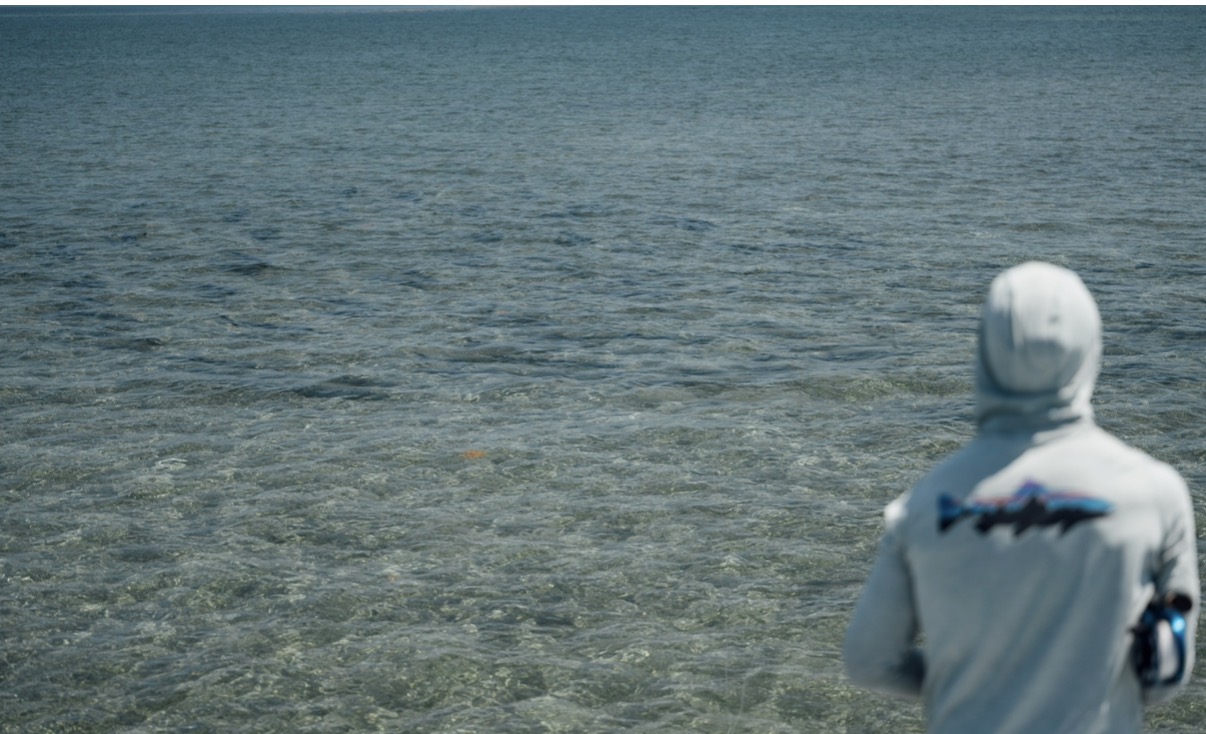
Flats fishing involves targeting fish in relatively shallow water, often while looking for them visually. Instead of simply casting into an area and waiting for a bite, we’re frequently searching for individual fish or groups of fish moving through the water.
In Biscayne Bay, this can mean looking for bonefish cruising across a flat, permit moving along a shallow edge, or tarpon rolling or traveling near the surface.
Sight fishing is one of the most exciting parts of flats fishing. You may see the fish before making a cast, which gives you the opportunity to position the boat and present your bait or fly directly to it.
That sounds simple, but it can be challenging. Fish may be moving quickly, the water may be shallow and clear, and wind or sunlight can make visibility difficult. A good presentation often requires accuracy, timing, and the ability to react quickly.
Fly fishing and light tackle both allow us to sight fish, but they require different techniques and offer different advantages.
Fly Fishing the Miami Flats
Fly fishing is often considered the ultimate challenge in flats fishing. It requires a combination of casting ability, preparation, and patience, particularly when targeting bonefish and permit.The fly itself is generally lightweight, so the fly line provides the weight needed to cast. This makes fly fishing a different experience from conventional fishing, where the weight of the lure or bait helps load the rod.
When sight fishing with a fly rod, the angler needs to make an accurate presentation while minimizing unnecessary movement. A fish may only provide a short window of opportunity, and the cast needs to happen quickly.
The Challenge of Fly Fishing
Fly fishing on the flats can be demanding, especially when wind is involved. You need to be able to cast accurately, manage line on the deck, and deliver the fly without creating too much disturbance.
The challenge is part of what makes it so rewarding. Seeing a bonefish eat a fly or watching a tarpon take your presentation is an experience that is difficult to replicate with other methods.
However, fly fishing is not always the easiest option for someone who has never picked up a fly rod. Casting ability can have a significant impact on how many opportunities you’re able to take advantage of during a trip.
If you’re interested in fly fishing but have limited experience, I recommend practicing before your charter. Even a little preparation can make a meaningful difference.
Fly Fishing for Bonefish
Bonefish are one of the primary targets for fly anglers in Biscayne Bay. They are fast, cautious, and often found moving across shallow flats where sight fishing is possible.
The opportunity to spot a bonefish, make a presentation, and watch it eat is what makes this fishery so appealing.
For bonefish, I typically prefer an 8-weight or 9-weight fly rod, depending on the conditions. Wind is an important consideration in South Florida, and being proficient with your rod in breezy conditions is essential.
I use longer leaders than many anglers, and I hand-tie all of my leaders to ensure they turn over properly. I primarily use fluorocarbon leader material and prefer clear or clear-tip fly lines for bonefish.
Fly selection is also important. Biscayne Bay bonefish flies are often larger than patterns anglers might be familiar with from the Bahamas or Belize. We have larger bonefish in the area, and they often respond well to larger meals. Strong hooks are important when targeting these fish.
Fly Fishing for Permit
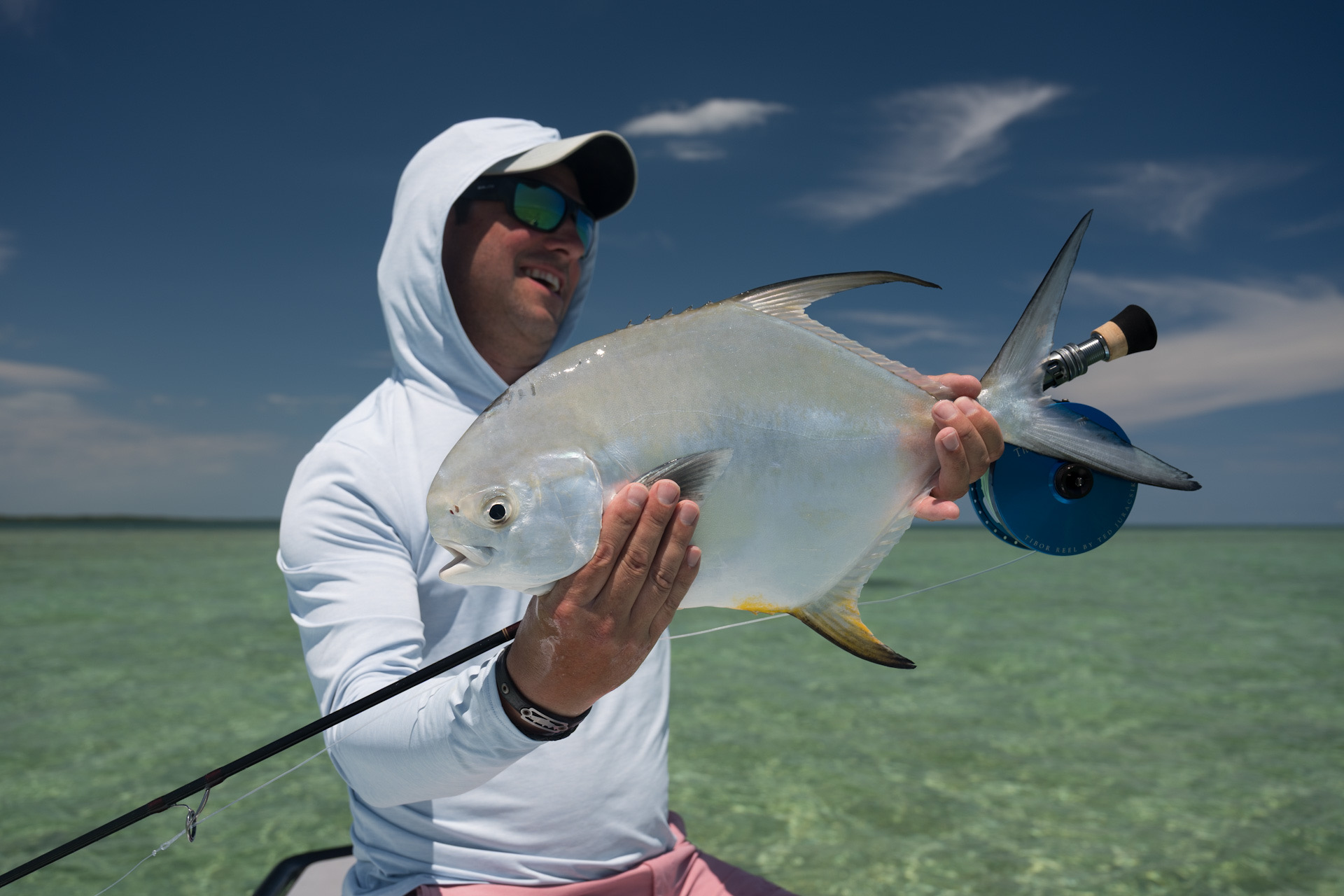
Permit are among the most challenging fish to target on a fly. They can be selective, difficult to approach, and unpredictable when it comes to eating. A permit may follow a fly, inspect it, and then refuse it at the last moment. That’s part of what makes catching one on a fly so rewarding.
For permit, I generally prefer a 9-weight or 10-weight fly rod, depending on the conditions. As with bonefish, I use longer, hand-tied leaders made primarily with fluorocarbon and clear or clear-tip fly lines.
Permit fishing requires patience and the ability to make accurate casts under pressure. Sometimes the fish gives you only one opportunity, so being prepared is critical.
Fly Fishing for Tarpon
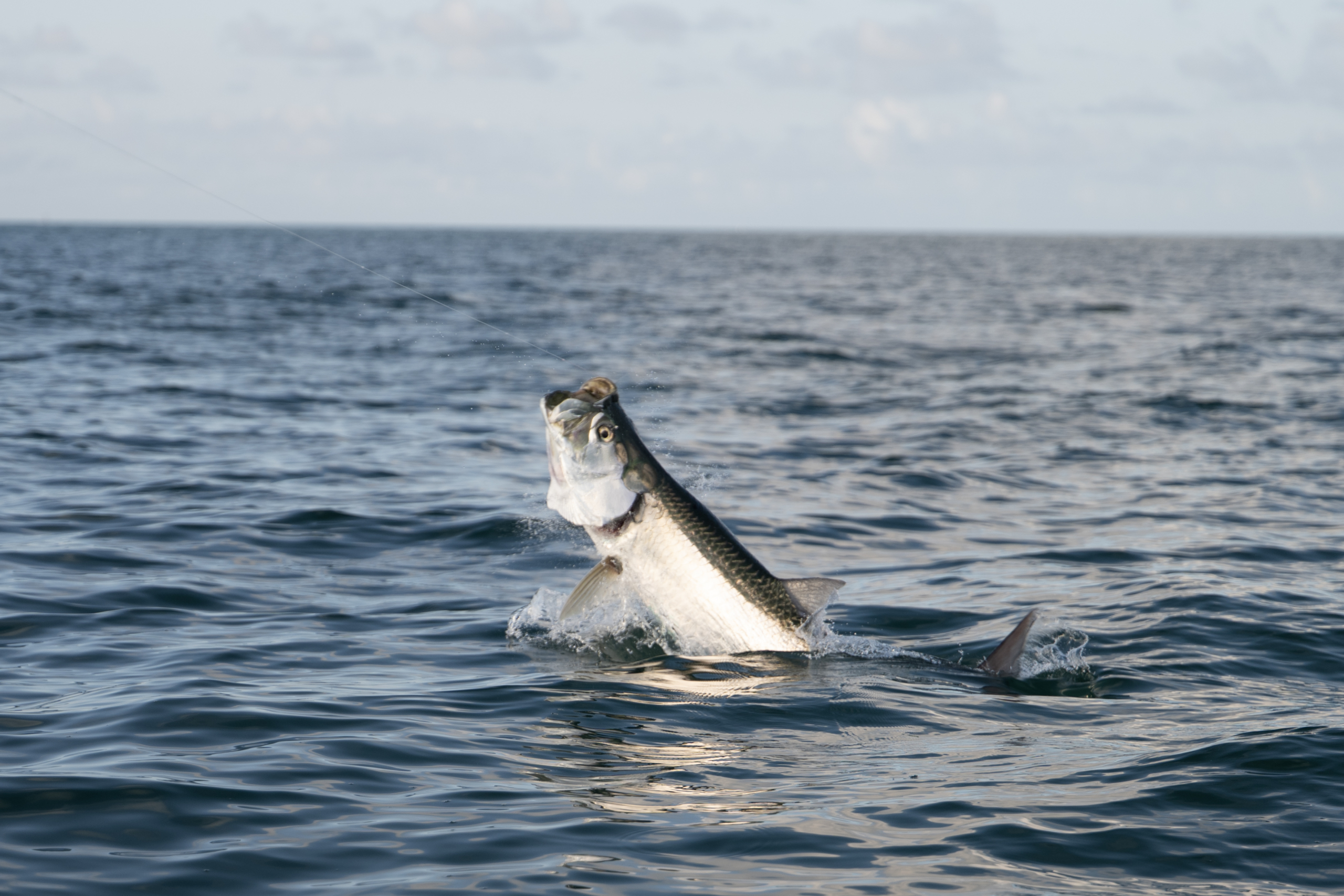
Tarpon fly fishing is a different experience from targeting bonefish or permit. These fish are larger, powerful, and capable of making long runs and spectacular jumps.
I primarily use 10-weight and 11-weight fly rods for tarpon. I fish with Sage Fly Rods, and clients are welcome to use my equipment during their trip.
For reels, I use Tibor Fly Reels and have both left-hand and right-hand retrieve options available.
I tie my own leaders and flies, and I also work with talented professional fly tiers. Tarpon fishing requires equipment that can handle the fish while allowing us to make an effective presentation.
If you’re interested in fly fishing for tarpon, casting practice is especially important. When a fish is moving toward the boat or crossing in front of us, there may not be much time to get the fly in the right place.
Light Tackle Flats Fishing
Light tackle is an excellent option for Miami flats fishing, especially for anglers who want to experience sight fishing without the learning curve of fly casting.
Spinning tackle allows us to cast lightweight lures and natural baits with accuracy and distance. For many anglers, it’s a familiar and comfortable way to fish.
Light tackle can also be extremely effective when conditions make fly fishing difficult. Wind, fish movement, and the distance required for a presentation can all influence which approach makes the most sense.
Advantages of Light Tackle
One of the biggest advantages of light tackle is ease of use. Most anglers have some experience with spinning rods, and it’s generally easier to become proficient with them than with a fly rod.
Light tackle also allows us to make longer casts with relatively little preparation. When a fish appears unexpectedly, an angler can often make a quick presentation without worrying about managing fly line.
This can be especially helpful when fishing with someone who is new to flats fishing or when conditions are challenging.
Light tackle doesn’t mean the fishing is easy, though. Bonefish, permit, and tarpon can be extremely difficult to catch regardless of the equipment being used. Accurate casts, proper presentation, and understanding fish behavior remain important.
Light Tackle for Bonefish
Light tackle is a great way to target bonefish in Biscayne Bay. It allows anglers to make accurate presentations with small lures or baits while maintaining control during the fight.
Bonefish are incredibly fast, and once hooked, they can make long runs that test both the angler and the equipment.
The key is to make a presentation that doesn’t spook the fish. Even with spinning tackle, sight fishing requires patience and a careful approach.
Light Tackle for Permit
Permit are challenging on light tackle, just as they are on fly. These fish can be selective and often require a precise presentation.
Light tackle can provide an advantage when making longer casts or when conditions make it difficult to present a fly accurately. However, permit are still permit. They can be frustratingly selective, and success often comes down to timing and presentation.
Light Tackle for Tarpon
Light tackle is a popular way to target tarpon, particularly for anglers who want to experience the power of these fish without fly fishing.
Tarpon can be caught using a variety of presentations, depending on conditions and the type of fishing we’re doing. Their size and strength make them a serious challenge, and the equipment needs to be appropriate for the fish.
Once hooked, tarpon are famous for their jumps and powerful runs. Whether you’re using a fly rod or spinning tackle, fighting a tarpon is an experience you won’t forget.
Fly Fishing vs. Light Tackle: Which Is Better?
This is one of the most common questions I hear, and the answer is that neither method is universally better.
Fly fishing offers a unique challenge and a very rewarding experience. For anglers who enjoy the casting, presentation, and technical aspects of the sport, there’s nothing quite like catching a bonefish, permit, or tarpon on a fly.
Light tackle offers versatility and accessibility. It’s often the better choice for anglers who are new to flats fishing, want to maximize casting opportunities, or simply prefer conventional tackle.
The best approach depends on several factors.
Your experience: If you’re an experienced fly angler, fly fishing may be the obvious choice. If you’re new to fly casting, light tackle may provide more opportunities to make effective presentations.
The conditions: Wind can make fly fishing more difficult. Depending on the direction and strength of the wind, light tackle may be a better option for certain situations.
The species: Bonefish, permit, and tarpon can all be targeted with either method. The best approach depends on the conditions and how the fish are behaving.
Your personal goals: Some anglers want the challenge of catching a fish on a fly. Others simply want to enjoy the experience of sight fishing and catching a fish. Neither goal is wrong.
Ultimately, I want clients to have the best experience possible. Choosing the right equipment for the conditions and your skill level is an important part of that.
Can You Bring Both Fly and Light Tackle?
Absolutely. In many situations, having both options available can be beneficial.
There may be opportunities to fly fish during part of the day and switch to light tackle when conditions change or when a different presentation makes more sense.
This flexibility can be especially useful when targeting multiple species. Bonefish, permit, and tarpon don’t always behave the same way, and conditions can change throughout the day.
If you’re unsure which method to bring, we can discuss your experience and preferences before the trip. I can help you determine what equipment makes the most sense for the type of fishing you want to experience.
What Should You Choose for Your Flats Fishing Charter?
If you’re an experienced fly angler and want to challenge yourself with bonefish, permit, or tarpon, fly fishing is an excellent choice.
If you’re new to flats fishing, prefer spinning tackle, or want to focus on making as many effective presentations as possible, light tackle may be the better fit.
If you’re comfortable with both, bringing both options gives us flexibility.
There is no reason to feel pressured to fish with a fly rod simply because you’re booking a flats fishing charter. The goal is to enjoy your time on the water, learn something new, and have an opportunity to catch the fish you’re targeting.
I guide anglers with a wide range of experience, and I’m happy to work with you to determine the best approach for your trip.
Book a Biscayne Bay Flats Fishing Charter
Miami and Biscayne Bay offer some outstanding opportunities for flats fishing. Whether you’re targeting bonefish, permit, or tarpon, the combination of shallow water, sight fishing, and challenging gamefish makes this area a special place to fish.
Fly fishing and light tackle both have their place in this fishery. The best choice depends on your experience, preferences, and the conditions we encounter.
If you’re planning a trip, I’m happy to discuss the type of fishing you want to do and help you prepare.
Visit Endless Flat Charters to learn more about fishing with Capt. Chris Adams, or check the charter rates and trip information.
You can also learn more about my Miami flats fishing trips.
Whether you choose fly fishing, light tackle, or a combination of both, the goal is the same: get out on the water, find fish, and make the most of every opportunity.