Tarpon Fishing in the Upper Florida Keys: Spring Migration Guide
Tarpon Fishing in the Upper Florida Keys: A Spring Migration Guide
There are few fishing experiences in South Florida that compare to targeting tarpon during their spring migration. Watching a large tarpon roll on the surface, making a presentation to a moving fish, and finally hooking a powerful Silver King is what keeps anglers coming back year after year.
While I spend much of my time fishing Biscayne Bay and Miami, I also make regular trips to the Upper Florida Keys during tarpon season. April, May, and June are the months I primarily fish this area, following the annual migration and targeting tarpon throughout the waters from Key Largo to Islamorada.
The Upper Florida Keys offer a different experience from fishing in Miami. The surrounding flats, channels, islands, and open water provide a variety of environments for targeting migrating tarpon. I fish throughout this region, including areas around Key Largo, Ocean Reef, Tavernier, and Islamorada. Rather than focusing on one specific location, I adjust our fishing plans based on conditions, fish movement, tides, and weather.
For anglers looking to experience tarpon season in the Florida Keys, spring is one of the most exciting times of the year to be on the water. If you’re interested in targeting tarpon closer to Miami, check out my guide to tarpon fishing in Miami and Biscayne Bay.
Spring Tarpon Season in the Upper Florida Keys
My primary tarpon season in the Upper Florida Keys runs from April through June. During these months, migrating tarpon move through the region, creating opportunities to target fish in a variety of environments.
Tarpon fishing is never completely predictable. Fish movement, weather, water conditions, tides, and fishing pressure can all influence how a day unfolds. Some days may involve searching for moving fish, while others may offer opportunities to target tarpon in more specific areas.
The annual migration is one of the reasons this time of year is so popular. Anglers travel from across the country and around the world to experience tarpon fishing in the Florida Keys, and the spring season is an important part of that tradition.
Because these dates are in high demand, April, May, and June book up quickly. If you’re planning a tarpon trip in the Upper Florida Keys, I recommend reaching out well in advance rather than waiting until the migration is already underway.
Fishing the Upper Florida Keys
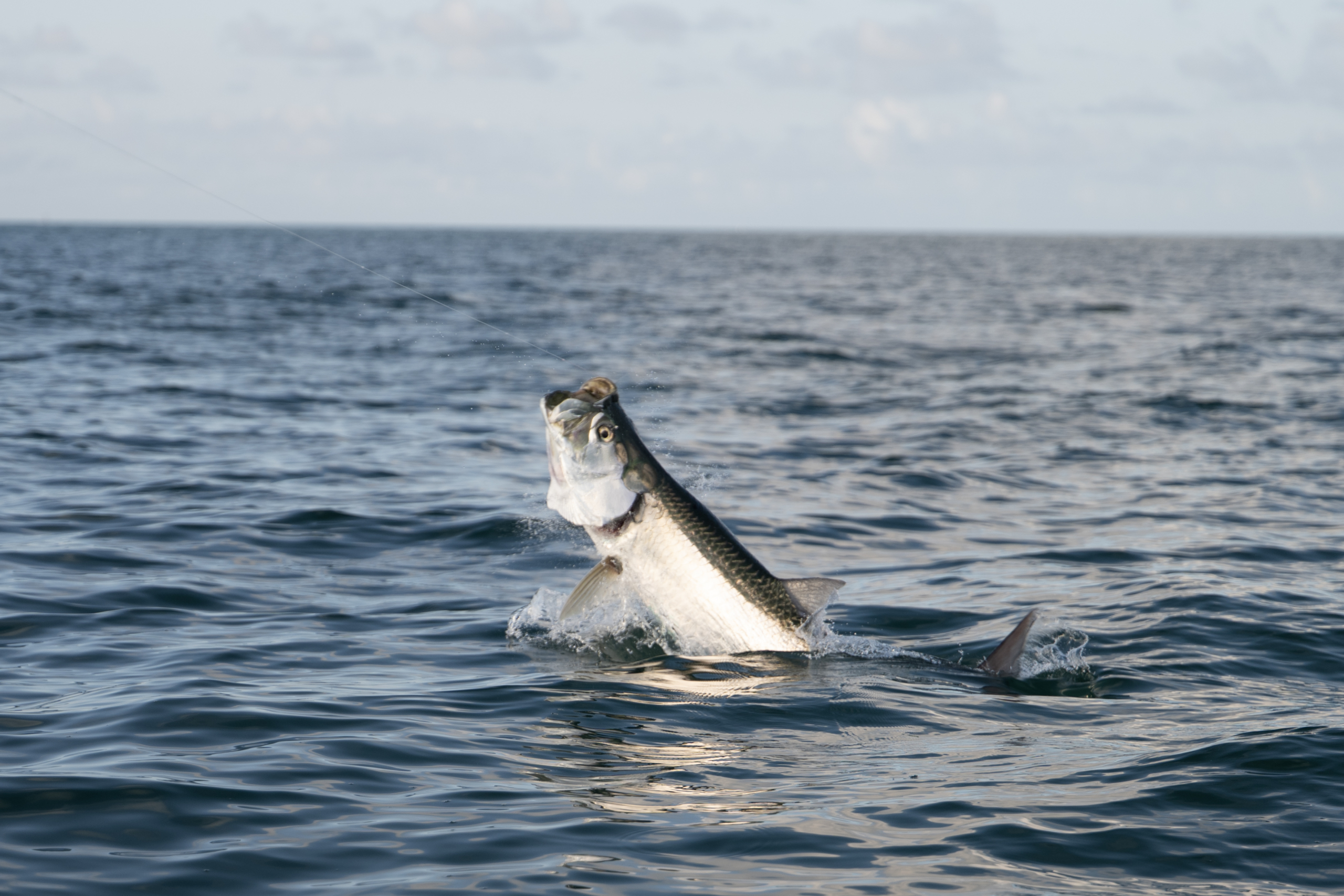
The Upper Florida Keys provide an extensive area to explore during the spring tarpon migration. My trips cover the waters from Key Largo down through Islamorada, including areas around Ocean Reef and Tavernier.
The fishery offers a variety of environments, and tarpon may be encountered moving through channels, cruising along shallow edges, or traveling through areas where changing tides influence their movement. Conditions can vary considerably from one day to the next, so flexibility is an important part of fishing this region.
Wind, tide, water clarity, and fish activity all help determine where we spend our time. I’m constantly evaluating the conditions and looking for opportunities to intercept fish. Sometimes that means moving to another area, while other days may involve staying with a group of fish and waiting for the right opportunity.
The ability to fish across this stretch of the Upper Keys is valuable during tarpon season. Instead of relying on one specific location, we can adapt to the conditions and focus on finding fish.
Sight Fishing for Tarpon
One of the most exciting ways to target tarpon is through sight fishing. Rather than simply fishing an area and hoping for a bite, sight fishing allows us to look for individual fish or groups of fish and make a presentation directly to them.
This can involve watching for rolling tarpon, tracking fish moving through the water, or identifying fish cruising near the surface.
Sight fishing requires a combination of observation, positioning, and timing. The angler needs to be ready when the opportunity presents itself, and the cast often needs to happen quickly.
Tarpon can be unpredictable. A fish may change direction, disappear, or move away before the angler gets a chance to present the fly or bait. Even when everything comes together, getting a tarpon to eat is only the beginning.
That challenge is a big part of the appeal.
Fly Fishing for Upper Florida Keys Tarpon
Fly fishing for tarpon is one of the most demanding and rewarding forms of saltwater fly fishing. The fish are powerful, the presentations can be difficult, and there is very little room for error when a large tarpon finally eats.
For anglers who want to pursue tarpon on the fly, preparation is important. You need to be comfortable casting a heavier fly rod, managing line, and making accurate presentations under pressure.
A tarpon may give you only a brief opportunity to make a cast. Being able to deliver the fly quickly and accurately can make the difference between getting an opportunity and watching the fish swim away.
Tarpon Fly Rods

For tarpon, I primarily use 10-weight and 11-weight fly rods, depending on the conditions and the fish we’re targeting.
I use Sage Fly Rods for my tarpon fishing, and clients are welcome to use my equipment during their trip. Having the right rod helps make the presentation more manageable while providing the power needed to fight a large fish.
If you’re bringing your own equipment, make sure it is suitable for large saltwater tarpon. This is not a situation where you want to arrive with a rod that is underpowered for the fish we’re targeting.
Fly Reels
A reliable fly reel is essential when targeting tarpon. These fish can make long, powerful runs, and the reel needs to have a smooth drag system and enough backing to handle the fight.
I use Tibor Fly Reels for my tarpon fishing. I have both left-hand and right-hand retrieve reels available, so clients can use a setup that feels comfortable to them.
A properly configured reel is a critical part of the system. The rod, reel, backing, fly line, and leader all need to work together.
Fly Lines and Leaders
Tarpon fly fishing requires equipment that can handle the conditions and deliver the fly properly. The fly line and leader need to match the rod, fly, and presentation.
I tie all of my own leaders, allowing me to prepare setups specifically for the conditions and fishing situations I encounter.
Leader construction is especially important when targeting large tarpon. You need a system that can withstand the fight while still allowing the fly to be presented effectively.
Tarpon Flies
Fly selection depends on the conditions, the fish, and the type of presentation we’re making. Size, color, profile, and how the fly moves through the water can all influence whether a tarpon responds.
I tie many of my own flies and also work with talented professional tiers. Having confidence in the flies you fish is important, especially when opportunities can be limited.
The goal is to present a fly that looks natural and gives the tarpon a reason to eat.
Light Tackle Tarpon Fishing
Fly fishing isn’t the only way to target tarpon in the Upper Florida Keys. Light tackle can also provide an exciting opportunity to catch these powerful fish.
Light tackle fishing allows anglers to focus on presentation and accuracy while using spinning or conventional equipment suited to the conditions. It can be a great option for anglers who aren’t experienced fly casters or who simply prefer fishing with conventional tackle.
The best approach depends on the angler, conditions, and fish activity. I want clients to have an enjoyable experience while giving them the best opportunity to connect with a tarpon.
Whether you prefer fly fishing or light tackle, the objective remains the same: locate the fish, make a good presentation, and be ready when the opportunity comes.
What Makes Tarpon Fishing Challenging?
Tarpon are famous for their power, but their reputation goes well beyond their size.
They can be difficult to locate, selective about what they eat, and unpredictable once hooked. A fish may follow a fly without eating, turn away at the last moment, or disappear before you have a chance to make a presentation.
The initial hookup is often only the beginning. Tarpon are known for their explosive jumps, powerful runs, and ability to test an angler’s equipment and technique.
Successful tarpon fishing requires patience and preparation. You need to be ready to cast when the opportunity appears, keep your composure when the fish eats, and react properly once it’s hooked.
There is no guarantee of catching a tarpon, even during the peak migration. That uncertainty is part of what makes every successful hookup memorable.
Weather, Tides, and Conditions
Spring tarpon fishing is influenced by several factors, including weather, tides, wind, water clarity, and fish movement.
Wind can make sight fishing more difficult by affecting visibility and boat positioning. Tides influence water movement and can affect where tarpon travel or hold. Changing conditions may also mean moving between different areas throughout the day.
I evaluate these factors before and during each trip to determine where we should fish. The plan may change as conditions develop, and flexibility is important.
Fishing a broad area of the Upper Florida Keys gives us different locations to consider rather than tying the day to one specific spot.
Is an Upper Florida Keys Tarpon Trip Right for You?
Tarpon fishing is a great option for anglers who enjoy challenging fishing and are looking for an unforgettable saltwater experience.
You don’t need to be an expert fly fisherman to book a trip. However, if you’re interested in fly fishing for tarpon, some casting experience is helpful. Practicing before your trip can make a big difference when the opportunity to cast at a fish arrives.
For anglers who prefer light tackle, there are other ways to approach the fishery. We can discuss your experience and preferences before the trip and determine the best approach.
Whether you’re an experienced tarpon angler or looking to pursue your first Silver King, preparation and realistic expectations are important.
Book Your Upper Florida Keys Tarpon Fishing Trip
Spring tarpon fishing in the Upper Florida Keys is one of my favorite fisheries to experience. From Key Largo through Islamorada, these waters offer exciting opportunities to target migrating tarpon during one of the most anticipated times of the year.
I primarily fish the Upper Florida Keys during the annual tarpon migration in April, May, and June. These dates are popular, and my tarpon season calendar fills up quickly.
If you’re interested in fishing the Upper Florida Keys during tarpon season, I recommend contacting me early to discuss available dates and plan your trip.
Visit Endless Flat Charters to learn more about fishing with Capt. Chris Adams, or check the charter rates and trip information.
You can also learn more about my Miami flats fishing trips if you’re interested in exploring the Biscayne Bay fishery.
The spring tarpon migration doesn’t last forever. If April, May, or June is on your fishing calendar, don’t wait too long to reserve your dates.